COMMUNITY DIGEST
Five featured cases and two quick consultations from the EndoCollab WhatsApp community between April 26 and May 9, 2026. A young Crohn’s patient with a long gap in care arrives with bowel obstruction and anal stricture. A decade-old rectal mystery finally gets a diagnosis. A colonoscopy finding stumps the entire group. A diabetic in ketoacidosis with black esophagus. And a near-impossible distal cholangiocarcinoma cannulation.
In this issue
- Crohn’s Disease Relapse After 6 Years: Obstruction, Stricture, and a Treatment Reset
- The 10-Year Rectal Mystery: SRUS, Adenoma, and CMV
- The “Deflated Balloon”: Inverted Diverticulum or Something Else?
- Black Esophagus in a Diabetic Ketoacidosis Patient
- IPMN and First-Episode Pancreatitis: How Far Do You Work It Up?
- Quick cases: Difficult distal cholangiocarcinoma ERCP; EMR positive margin surveillance
Featured Cases
1. Crohn’s Disease Relapse After 6 Years: Obstruction, Stricture, and a Treatment Reset
A 27-year-old male with ileo-colonic Crohn’s disease was initially treated with infliximab for two years, then maintained on azathioprine 100 mg/day since 2017. He remained asymptomatic for years with no follow-up endoscopy or drug level checks.
He now presented with an anorectal fistula (subcutaneous tract to a scrotal collection, surgically managed with seton), followed by subacute intestinal obstruction. CT showed diffuse circumferential wall thickening of the sigmoid, descending colon, and hepatic flexure with luminal narrowing and fat stranding, rectal wall edema with mesenteric hyperemia, and dilated cecum and terminal ileum with a small bowel feces sign. Clinically he could pass stool only after enemas and could not pass flatus.
Dr. Alawamy led the discussion. Key points:
- Six years without endoscopy or drug level assessment in a high-risk patient is a significant gap. Check drug levels (target above 20 ng/ml) and antibodies before escalating.
- Do not rely on CT alone to make escalation decisions. CT systematically overestimates disease activity. Direct assessment is needed.
- A true colonic stricture in this context raises the risk of underlying malignancy significantly. Focal, non-angular strictures without associated fistulae are candidates for endoscopic dilation; anything else warrants surgical discussion.
- If no antibodies and drug levels are subtherapeutic, there is room to increase dosing frequency or mg/kg before changing agents.
- Combination biologics are a rescue option when conventional escalation fails.
- Stop azathioprine in combo beyond 2 years (SONIC trial data: maximal benefit is within the first 24 months of dual therapy).
Given that he was clinically stable and opening up without steroids, the group recommended holding steroids and starting clear fluids, deferring endoscopy until improvement. Dr. Madhavan recommended a careful sigmoidoscopy to assess inflammation directly and distinguish CT findings from actual disease extent.
Clinical Pearl: A patient with Crohn’s who was “asymptomatic” for years without monitoring is not in remission. They are lost to follow-up. Azathioprine monotherapy after stopping infliximab provides minimal protection against disease progression. When they return with a fistula and obstruction, you are essentially restarting from scratch.
2. The 10-Year Rectal Mystery: SRUS, Adenoma, and CMV
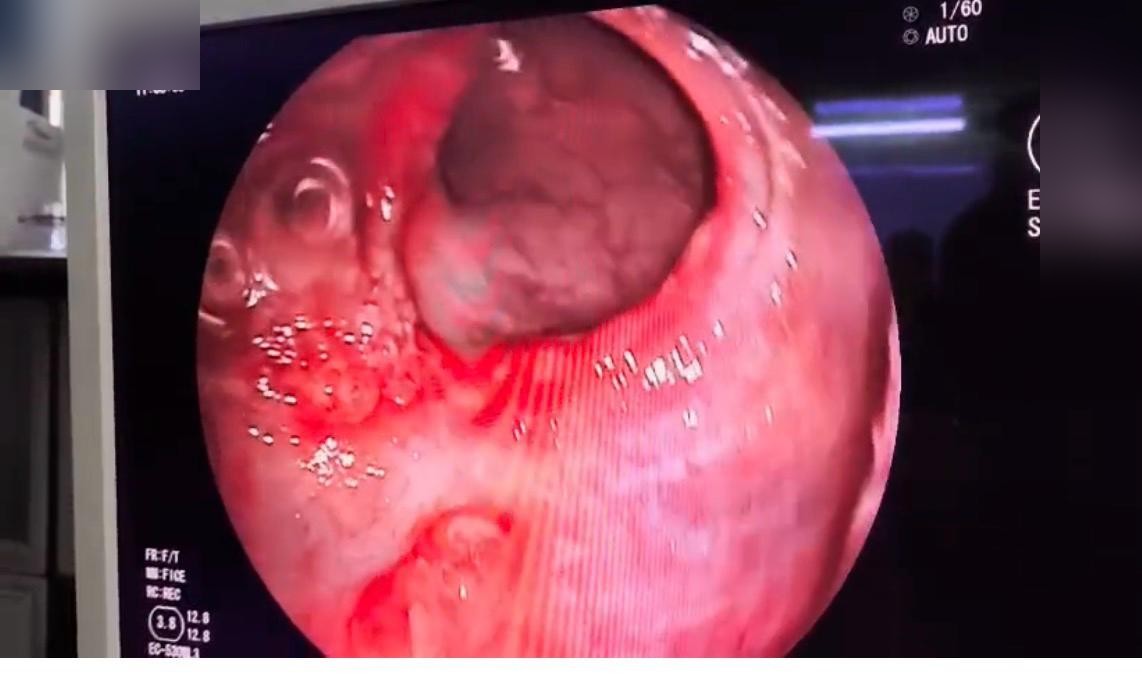
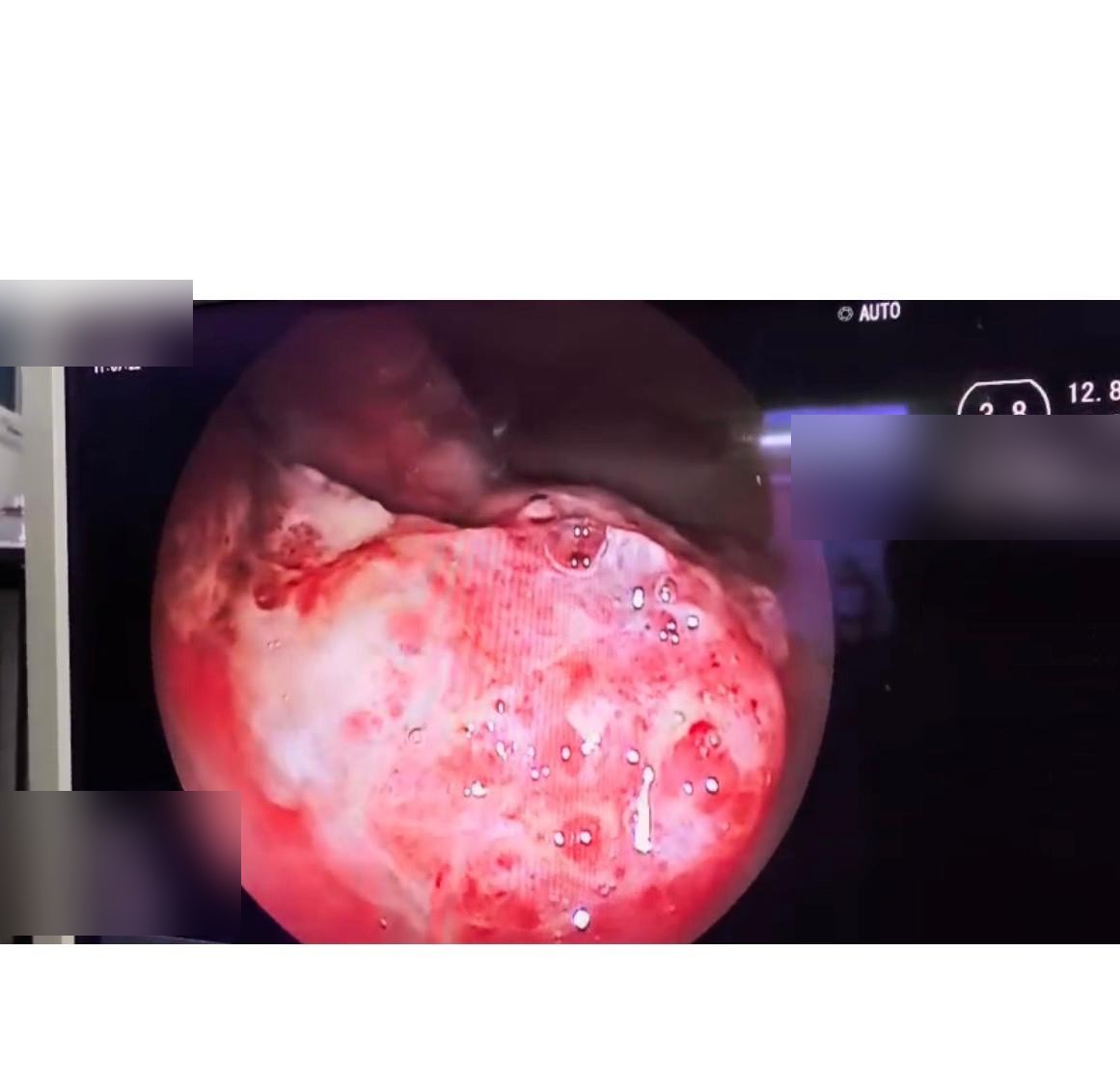
A 34-year-old female presented with an anorectal lesion present for 10 years. Symptoms: anal discomfort, mild bleeding, and mucus discharge. No weight loss. CT showed diffuse rectal thickening. Prior biopsies: tubulovillous adenoma with high-grade dysplasia (2025), and chronic non-specific inflammation with fibromyomatosis of the lamina propria. Tumor markers negative. HIV negative. No history of anal intercourse or instrumentation. History of constipation. Coloproctology recommended expectant management.
New biopsies came back positive for CMV.
Dr. Alawamy’s assessment from the video:
- Circumferential inflammation and scarring at the first rectal fold: DDx includes SRUS, rectal prolapse, vaginocele, rectocele, or outlet obstruction leading to a mucosal ulcerative process.
- A distal polyp likely represents an inflammatory or ulcerated retention polyp, secondary to the mechanical process.
- The anal verge lesion requires surgical resection (conventional or TAMIS) for both diagnosis and cure.
He recommended gynecology referral for speculum exam to exclude vaginocele, MR defecography to assess for prolapse, and anal manometry and balloon expulsion if a motility specialist is available. A colorectal referral is mandatory.
On the CMV result, there was important nuance. Dr. Zaheer: “Positive CMV PCR alone in a healthy and young patient should be interpreted cautiously. Clinical picture, histopathology, and IHC for inclusion bodies matter. Similar endoscopic picture can be seen in SRUS.”
Dr. Madhavan agreed: in UC exacerbations, CMV DNA PCR copies over 250 are considered meaningful. Isolated positive PCR without inclusion bodies on biopsy in a young, non-immunosuppressed, non-IBD patient should be taken with a pinch of salt. Do not start ganciclovir without viral inclusion confirmation on IHC.
Clinical Pearl: Fibromyomatosis of the lamina propria on rectal biopsy is the histological signature of SRUS, regardless of what the endoscopy looks like. CMV PCR without IHC-confirmed inclusions in a healthy non-immunosuppressed patient is not a treatment trigger.
3. The “Deflated Balloon”: Inverted Diverticulum or Something Else?
A 69-year-old female undergoing surveillance colonoscopy (prior LST cecum removal plus transverse polyp the year before) was found to have a pedunculated lesion at 25 cm. It had not been seen on either of the two previous colonoscopies. The endoscopist described the mucosa as looking like inflamed colonic mucosa with no adenomatous surface pattern. The head of the structure appeared hollow, like a “deflated balloon” (Dr. Madhavan’s description).
The group debated: inverted diverticulum vs. pedunculated polyp vs. herniated lesion.
Dr. Alawamy: “I don’t think this is an inverted diverticulum, it would be the longest inverted diverticulum I have ever seen… it looks like a herniated lesion. You can still remove it: two clips at the base of the pedicle and snare it off. Let the pathologist name it.”
Dr. Madhavan and Dr. Alawamy independently agreed on the same technique: place two clips at the base before snaring, to prevent free perforation. No one had a confident endoscopic diagnosis.
Dr. Alawamy also shared a sobering case from his own practice: a patient with a prior “invasive carcinoma” polyp resection, subsequent sigmoid resection that came back cancer-free, two clean colonoscopies, then an ulcerated descending colon mass on the next surveillance scope confirmed adenocarcinoma (T3N0M0, treated with CAPOX). The lesson: colonoscopy misses happen, and a high index of suspicion on surveillance is essential.
Clinical Pearl: When a lesion appears de novo on surveillance and has no identifiable surface pattern, pre-clip the base, snare it, and send it. Non-advanced adenomas are missed in 10–15% of procedures. The pathologist’s job is to name it. Yours is to remove it safely.
4. Black Esophagus in a Diabetic Patient with DKA
A diabetic patient in the early stages of ketoacidosis presented with esophageal symptoms. Endoscopy showed a ring-like stricture in the mid-esophagus (from prior Savary dilation for GERD/peptic stricture), with the distal esophagus showing diffuse dark necrotic mucosa with an abrupt cutoff at the gastroesophageal junction: classic black esophagus (acute esophageal necrosis).
Dr. Madhavan’s synthesis: GERD with probable peptic stricture, poor diabetic control with gastroparesis, worsening reflux, and superimposed ischemia from the metabolic state together precipitated acute esophageal necrosis.
Management consensus:
- High-dose IV PPI, NPO, IV hydration, TPN if prolonged.
- No stenting (radial force risks perforation in fragile necrotic tissue).
- No NGT, no PEG. Supportive care is the mainstay.
- If you must re-scope: CO2, slim/pediatric scope, minimize time.
- Avoid early repeat endoscopy unless clinically necessary given perforation risk.
Clinical Pearl: Black esophagus is not one disease, it is the final common pathway of ischemia. DKA impairs mucosal perfusion directly. Existing structural disease (peptic stricture, gastroparesis) removes the usual mucosal defenses. Correct the metabolic crisis first. The esophagus will be your problem later.
5. IPMN and First-Episode Pancreatitis: How Far Do You Work It Up?
A 57-year-old male presented with his first documented episode of acute pancreatitis on a background of multiple gallstones. MRCP showed an 8mm side-branch IPMN (two cysts, communicating with the branch duct), normal MPD, and normal CBD. Triglycerides and LFTs were normal. Hypothyroid on treatment.
Dr. Alawamy’s framework:
- Side-branch IPMN at 8mm: first documentation, no worrisome features. Annual imaging is reasonable after initial workup.
- However: this is a first-episode AP without a fully confirmed precipitant. In anyone above 45–50, consider EUS to rule out a small pancreatic tumor, assess the ampullary orifice for a “fish mouth” sign suggesting main duct communication, and exclude missed distal CBD stones (can occur with completely normal LFTs).
- Re-image 6–8 weeks after the acute event settles with contrast if no convincing precipitating factor.
Dr. Luis Cisneros added: always check fasting triglycerides again when the patient restarts diet (they drop rapidly during fasting and may appear falsely normal on admission). Rule out alcohol, medications (diuretics, azathioprine), pancreas divisum, and annular pancreas. Recheck calcium, as it is consumed in the acute phase.
Clinical Pearl: An incidental side-branch IPMN on MRCP during a first AP episode is not just a follow-up question. It is an opportunity for EUS: assess the ampullary orifice, exclude occult CBD stones, and directly evaluate the cyst features. Defer EUS until 4–6 weeks after the acute event resolves.
Quick Consultations
Distal Cholangiocarcinoma: When the Ampulla Won’t Cooperate
A failed ERCP case was shared with a Type 2 (small, flat) ampulla and a long distal stricture suggestive of cholangiocarcinoma. Standard cannulation had failed.
Dr. Alawamy’s stepwise approach when conventional access fails:
- Try a smaller sphincterotome (double lumen, size 40 or below) with a 0.025-inch wire. Minimize bowing on the tome, try to align neutrally with the natural duct axis.
- If wire-first fails free-hand, consider EUS-guided biliary access.
- Rendezvous procedure if good IR collaboration is available.
- PTC with internal/external drain as a bridge to antegrade biliary stenting.
Precut was considered but is not ideal with a small flat ampulla. Excessive bowing on the sphincterotome throws the wire toward the duct wall rather than down the axis.
EMR Positive Margin: Wait or Treat at First Surveillance?
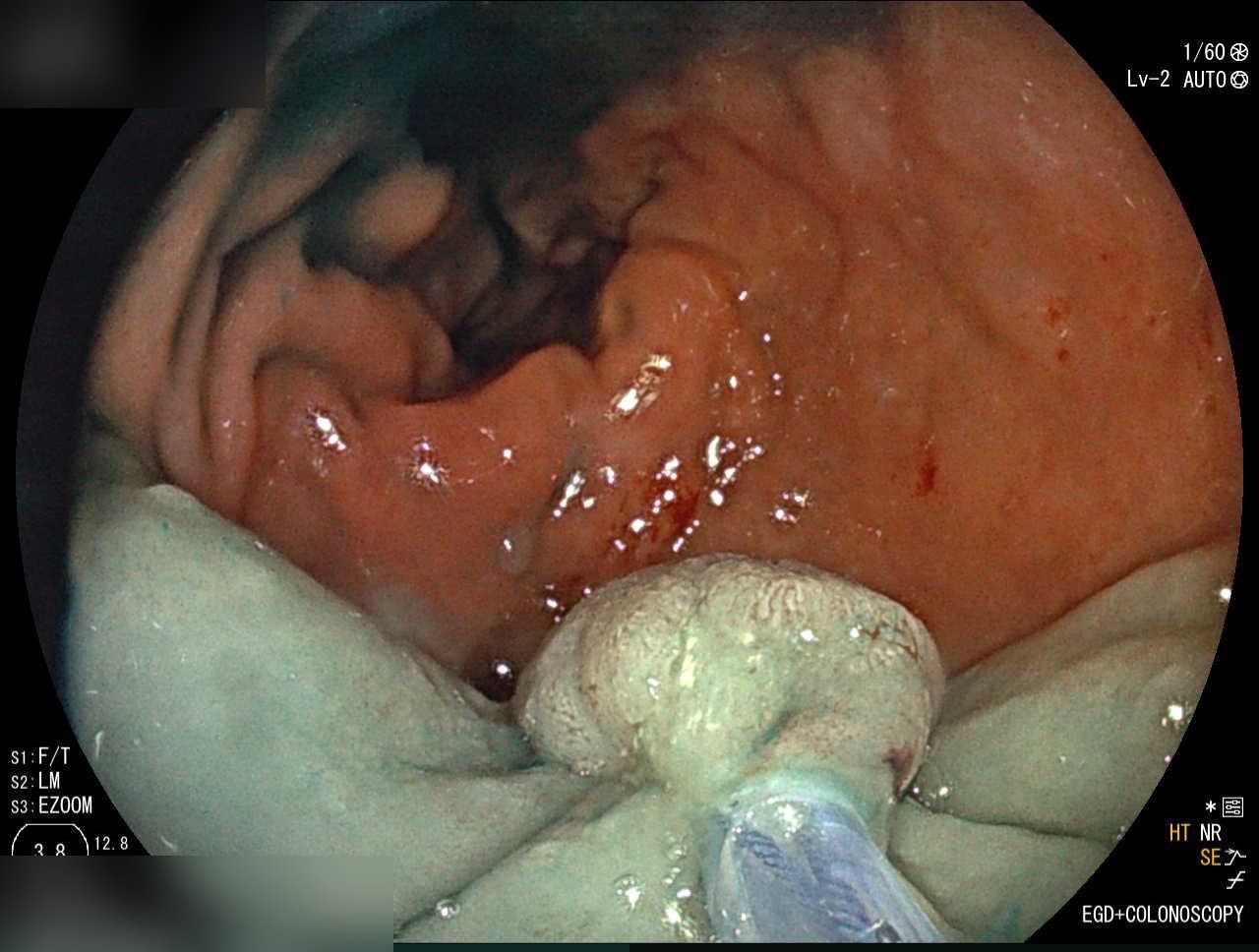
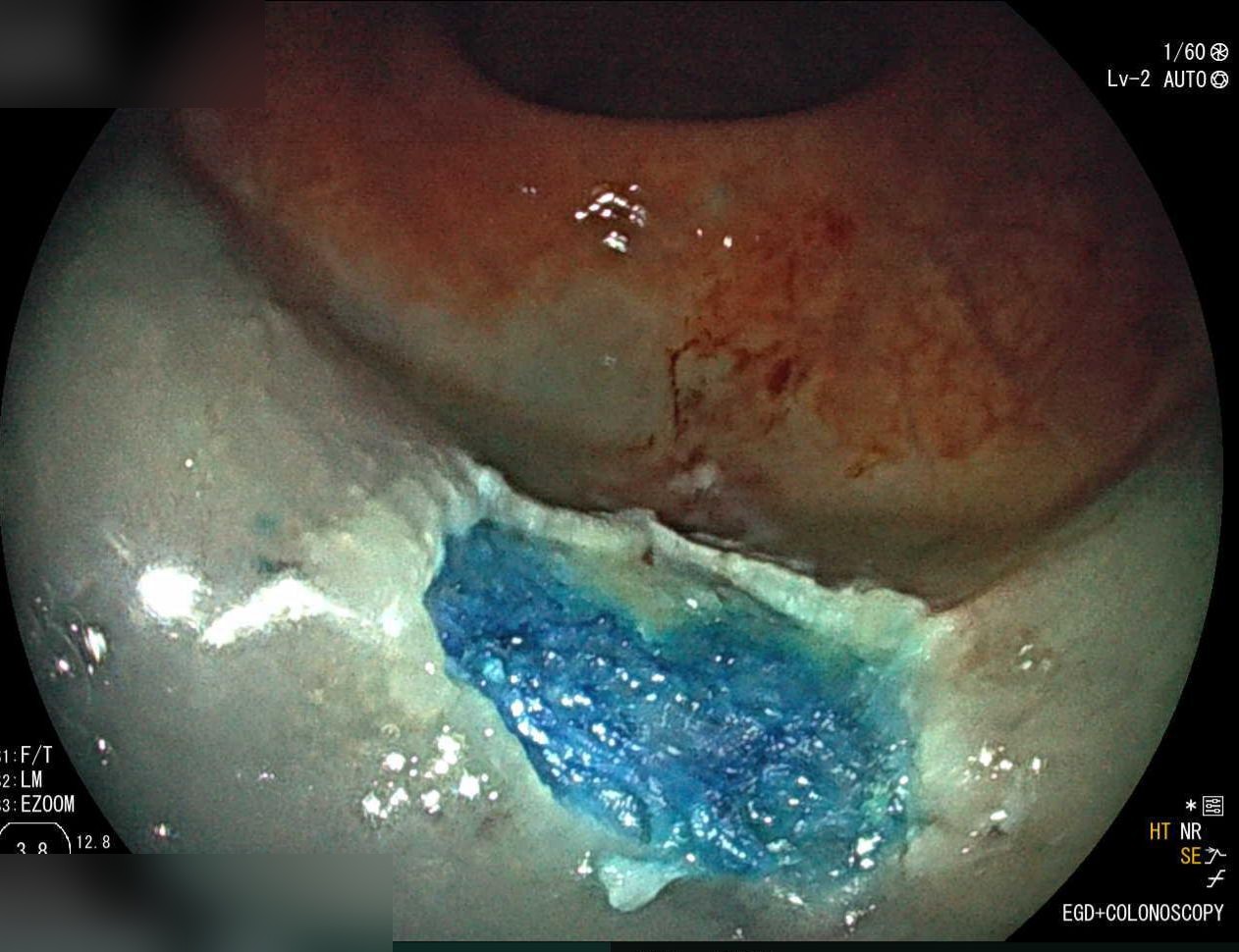
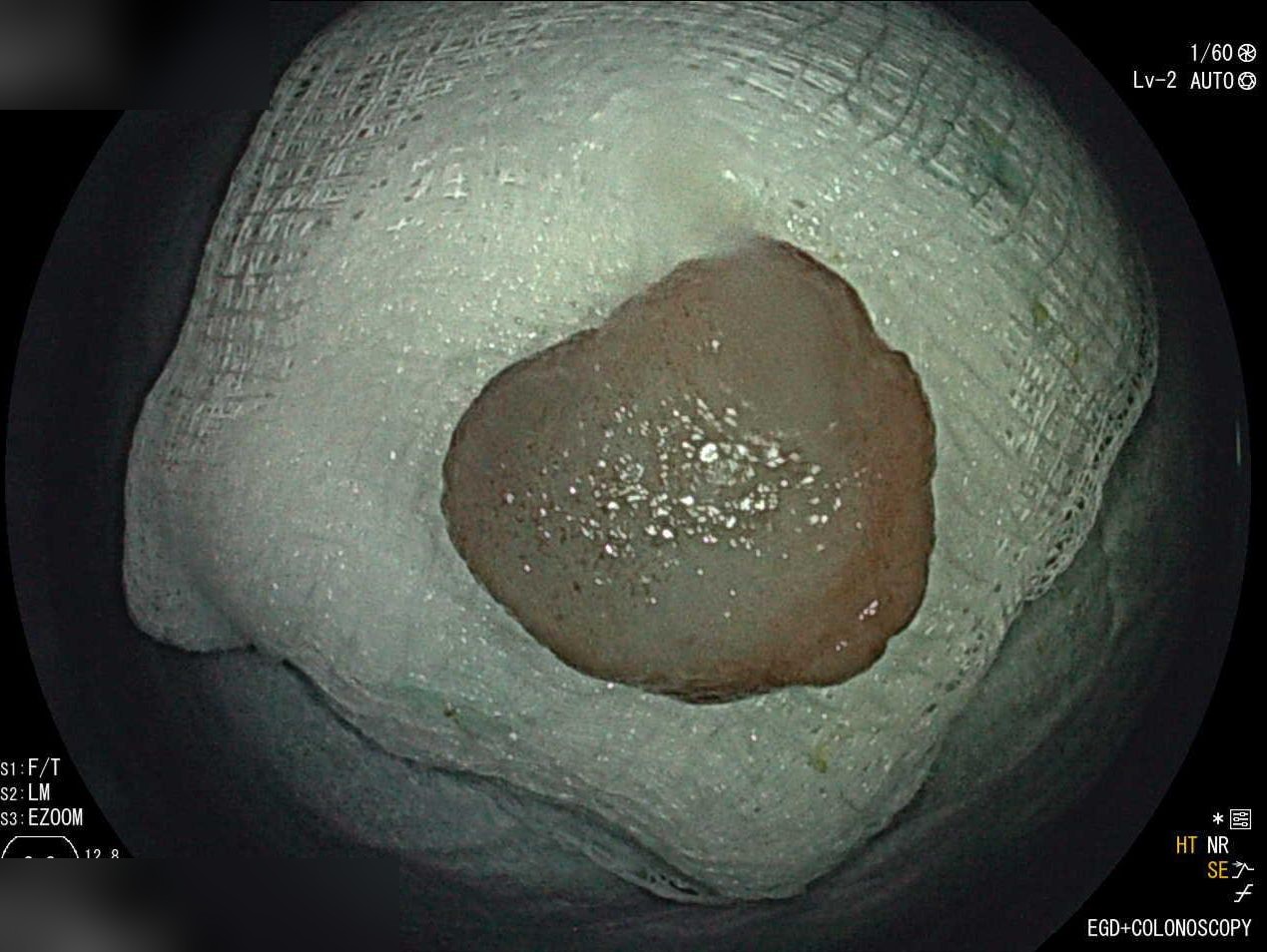
Dr. A. Aziz shared a follow-up from a large rectal TVA with HGD removed en bloc by EMR. Histology: intramucosal disease, clear margins except one margin with dysplasia. No submucosal invasion. No STSC/APC applied at the index procedure.
Planned approach: 3-month surveillance with careful scar assessment and biopsies.
Dr. Alawamy’s view: a positive margin by histology confers roughly 60% probability of residual tissue at follow-up. Six months is also acceptable. If there is any suspicion of residual, treat or avulse. Prior heat application may have caused enough tissue damage to eradicate residual without overt visualization. Dr. Fatma raised the practical point that tattooing or clipping scar margins at the index procedure prevents losing the site to fibrosis at follow-up.
Got a tough case? Drop it in the WhatsApp group. We are 1,000+ endoscopists strong, learning from each other every day.
Every case in this digest comes from real conversations in the EndoCollab private WhatsApp community, 1,000+ practicing endoscopists discussing cases daily from every continent. Lifetime members get permanent access to the group, plus the full EndoCollab case library of 1,700+ teaching cases, technique videos, and references.