COMMUNITY DIGEST
3 featured cases and 4 quick consultations from the EndoCollab WhatsApp community between May 10 – May 24, 2026. Three featured cases from the WhatsApp group this period: a transverse colon protrusion raising the question of inverted diverticulum vs. polyp, a nodular GEJ lesion and the debate over resection technique, and CMV-positive rectal lesions in a young immunocompetent patient.
In this issue
- Transverse Colon Protrusion: Inverted Diverticulum vs. Polypoid Lesion
- Nodular GEJ Lesion: Why Band EMR Over Cold Snare
- CMV-Positive Rectal Lesions in a Young Immunocompetent Patient
- Quick cases: Routine Sphincterotomy Before Malignant Distal CBD SEMS Placement; Management of Gastric Hyperplastic Polyps; Pharmacotherapy for Bile Reflux Gastritis; Septated Anastomotic Stricture
Featured Cases
1. Transverse Colon Protrusion: Inverted Diverticulum vs. Polypoid Lesion
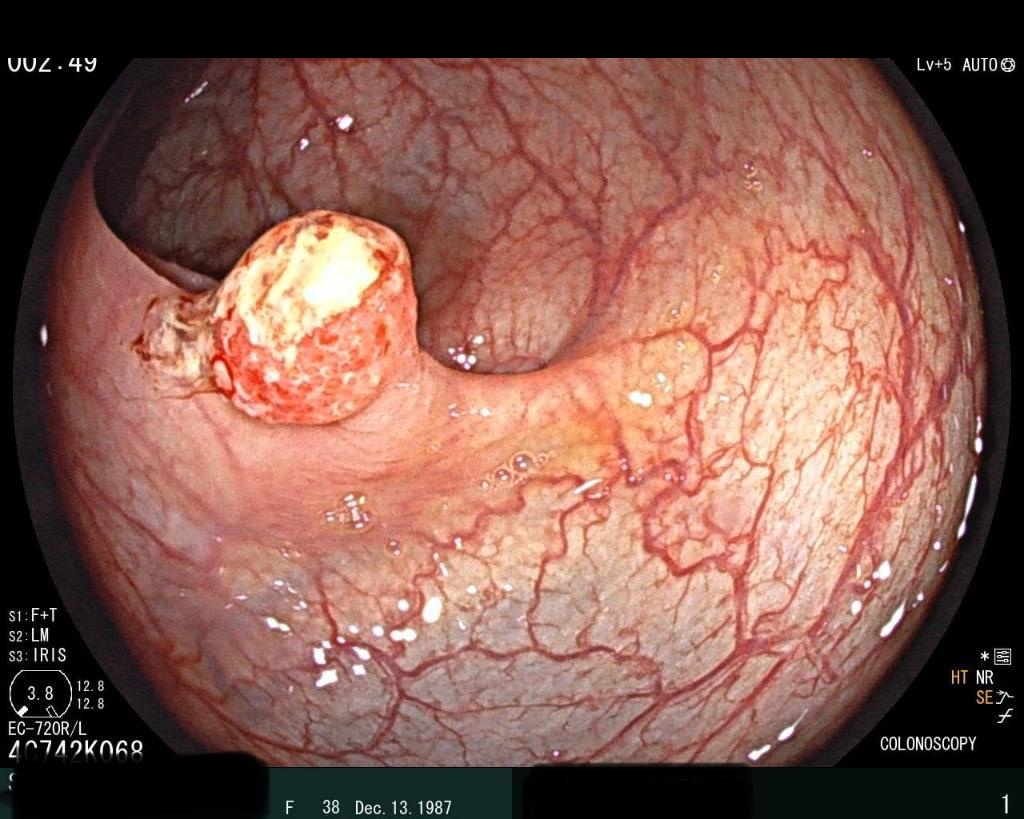
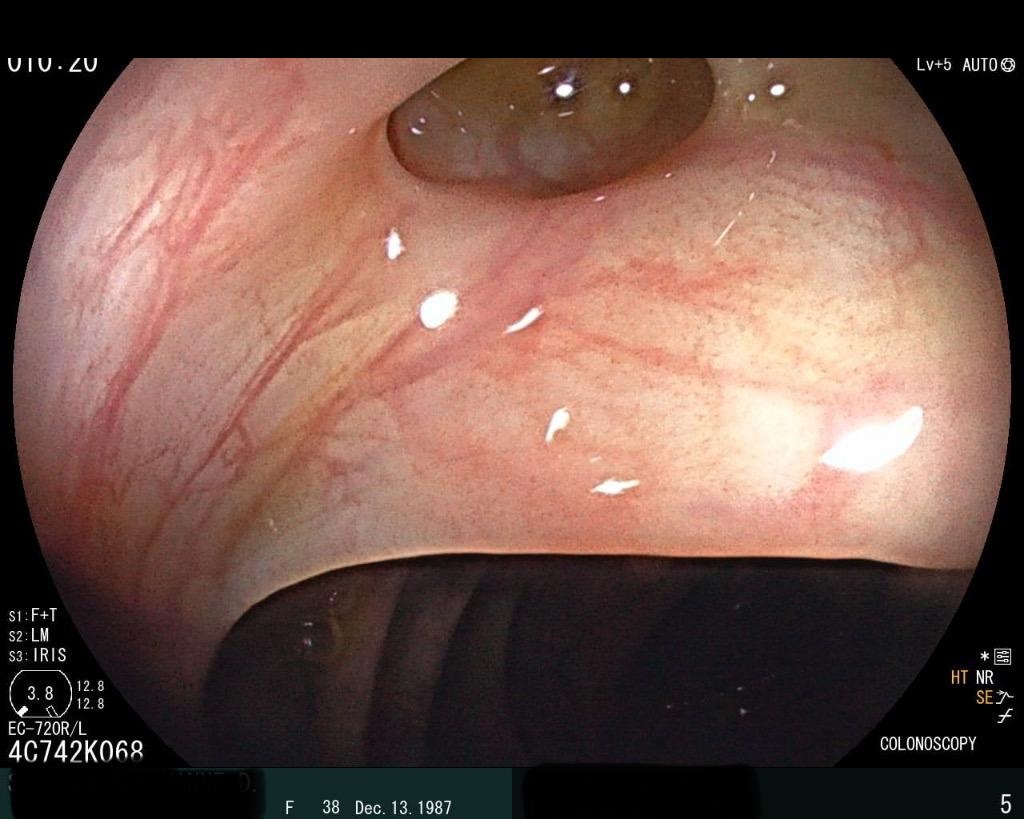
A 38-year-old female with alternating diarrhea and constipation underwent routine colonoscopy. A polypoid protrusion was found in the transverse colon, with diverticular openings in the surrounding mucosa. The question: is this a true polyp or an inverted diverticulum?
Community members noted the absence of a Kudo pit pattern and no surrounding "chicken skin" mucosa. One member pointed out that NBI could help evaluate the mucosal surface and vascularity. Another suggested that granulation tissue from a prior episode of diverticulitis can present as a polypoid reaction at the mouth of a culprit diverticulum. The presenting endoscopist confirmed NBI was not performed during the initial exam and planned a repeat colonoscopy.
The distinction matters. Resecting an inverted diverticulum carries a high risk of transmural perforation, while a true polyp can be safely removed.
Clinical Pearl: Before resecting any polypoid lesion near diverticular openings, evaluate the pit pattern with NBI. If an inverted diverticulum is suspected, avoid resection to prevent perforation.
2. Nodular GEJ Lesion: Why Band EMR Over Cold Snare
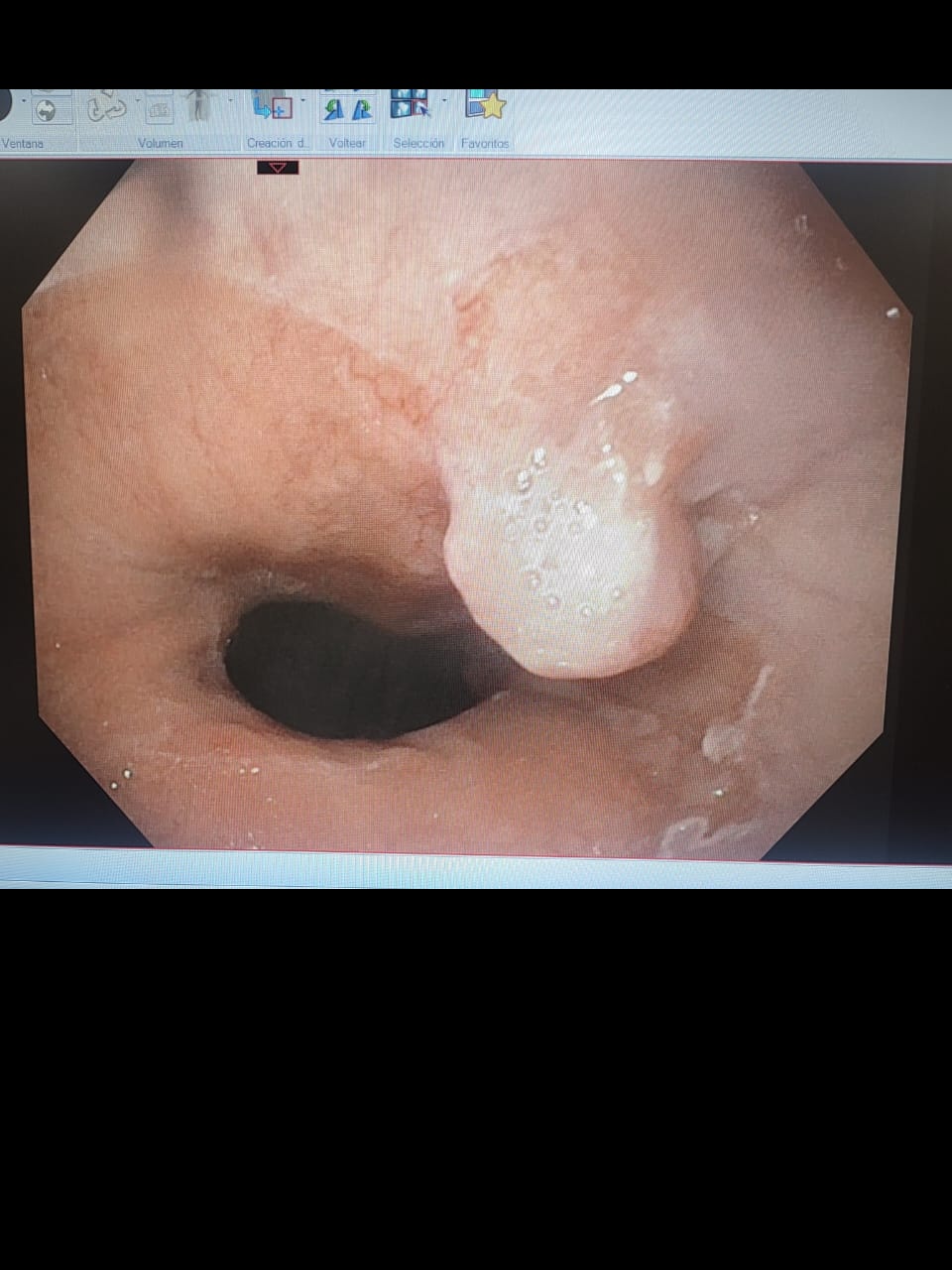
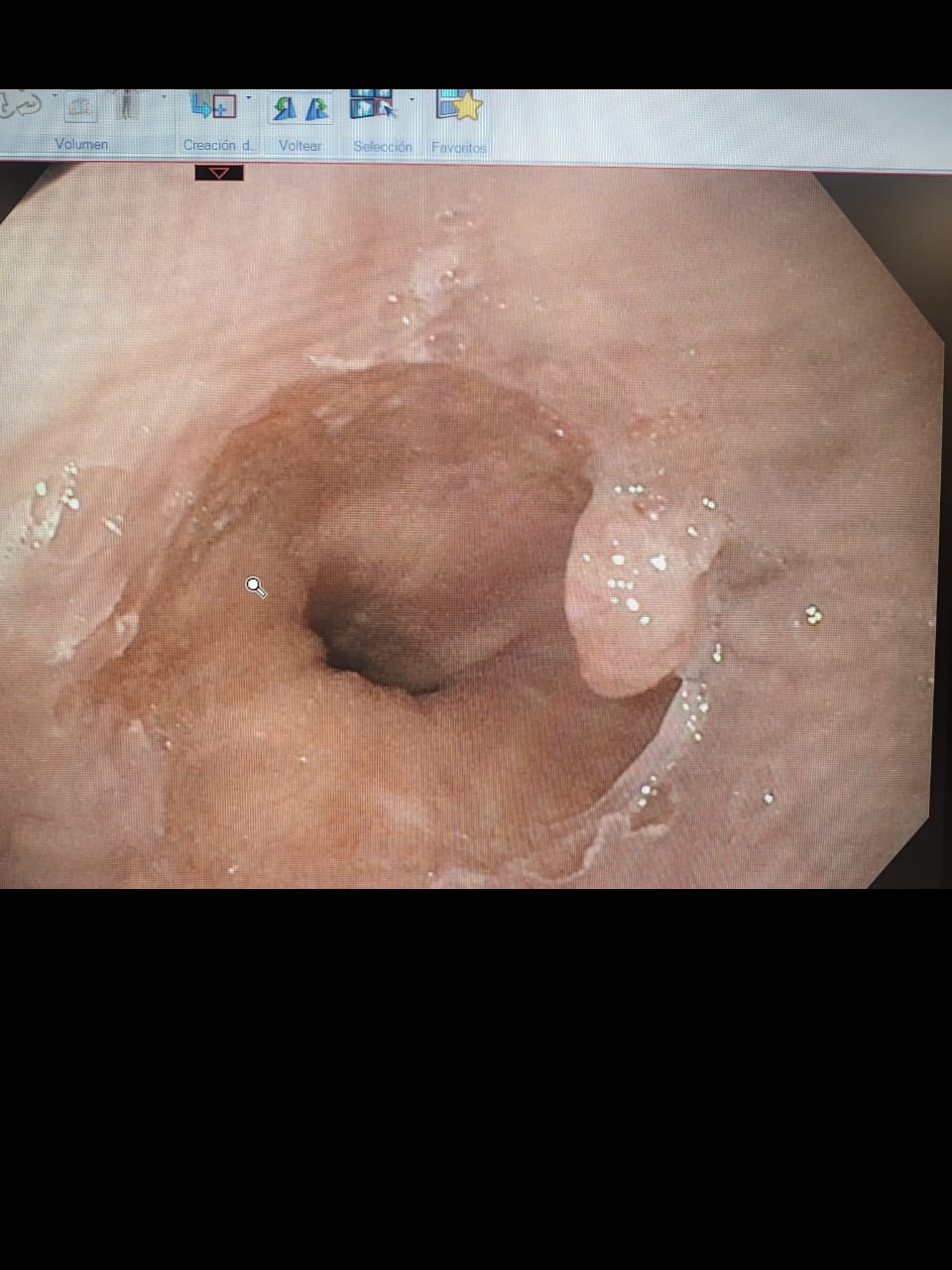
A 60-year-old heart transplant candidate with heart failure had an upper endoscopy that revealed a nodular mucosal lesion at the gastroesophageal junction. The clinical question: is EUS needed, or should the lesion be resected directly? And if resected, what technique?
The consensus was that the lesion appeared clearly mucosal, so EUS was unnecessary. The differential included nodular Barrett's mucosa, squamous papilloma, and granulation tissue from healing esophagitis. For resection, band-assisted EMR was preferred over cold snare.
The reasoning: the GEJ is highly vascular, and cold snaring at this location risks profuse bleeding. With band EMR, you suction the lesion into the cap using a standard multi-band ligator (a regular 6-shooter or Duette system), deploy a band, and cut above it. Cutting above the band preserves hemostatic compression. Pre-injecting to raise a submucosal cushion was also recommended.
Clinical Pearl: For nodular mucosal lesions at the GEJ, band-assisted EMR with submucosal injection is preferred over cold snare. Cutting above the band uses it for mechanical hemostasis, reducing the risk of bleeding at this vascular location.
3. CMV-Positive Rectal Lesions in a Young Immunocompetent Patient
A 34-year-old immunocompetent, HIV-negative female with a 10-year history of rectal lesions had biopsy results come back positive for CMV by PCR.
The initial reaction from the community was to consider ganciclovir. But a key correction followed: in a young, healthy patient with no immunosuppression and no IBD, a positive CMV PCR alone should be interpreted cautiously. It could be a bystander phenomenon, particularly in conditions like Solitary Rectal Ulcer Syndrome (SRUS), where chronic mucosal prolapse and inflammation allow secondary viral colonization.
The group agreed that confirming active CMV infection requires demonstrating viral inclusion bodies on histopathology. Adding immunohistochemistry (IHC) improves sensitivity. A positive PCR by itself, without histologic confirmation, is not enough to justify antiviral therapy in an immunocompetent host.
Clinical Pearl: A positive CMV PCR from rectal biopsies in a young, immunocompetent patient does not equal active CMV disease. Look for viral inclusion bodies on histopathology and consider IHC. Similar endoscopic appearances can be seen in SRUS, where CMV may be a bystander.
Quick Consultations
Biliary Stenting · Routine Sphincterotomy Before Malignant Distal CBD SEMS Placement
A member asked: for malignant distal CBD obstruction, do you routinely perform sphincterotomy before placing a SEMS, or just stent? Opinions were divided. One endoscopist cited ESGE guidelines, which recommend against routine sphincterotomy before inserting a single plastic stent or uncovered/partially covered SEMS, as it adds bleeding and perforation risk without improving stent patency. Others, with 15+ years of practice, prefer a minor (about 5 mm) sphincterotomy as a safety measure: if the guidewire is accidentally lost during stent deployment, re-cannulation is easier. The counterpoint: once a stent is in place, the orifice is already primed for future cannulations, so the sphincterotomy may not add clinical benefit.
Gastric Polyps · Management of Gastric Hyperplastic Polyps
Management depends on symptoms, patient age, and comorbidities. In patients with iron deficiency anemia or large polyps causing outlet-type obstruction, complete eradication is indicated. For younger, otherwise healthy patients, eradicate all visible polyps. Check for H. pylori and ensure the patient is on the lowest effective PPI dose, as heavy PPI exposure can contribute. After complete eradication, repeat gastroscopy at one year. If no recurrence, no further surveillance is needed.
Bile Reflux · Pharmacotherapy for Bile Reflux Gastritis
Bile reflux gastritis is a difficult entity to confirm. Diagnosis is somewhat subjective, and the literature is sparse. Histologically, foveolar hyperplasia, lamina propria expansion, and a lack of significant inflammatory infiltrate can suggest bile acid injury, though similar findings appear in NSAID-induced gastropathy. For treatment, cholestyramine binds bile acids and has shown reasonable clinical response. Sucralfate provides mucosal protection. Prokinetics can be added if gastroparesis is confirmed or suspected. Ursodeoxycholic acid (UDCA) has been used in small studies, but the theoretical rationale is unclear.
Crohn's Disease · Septated Anastomotic Stricture
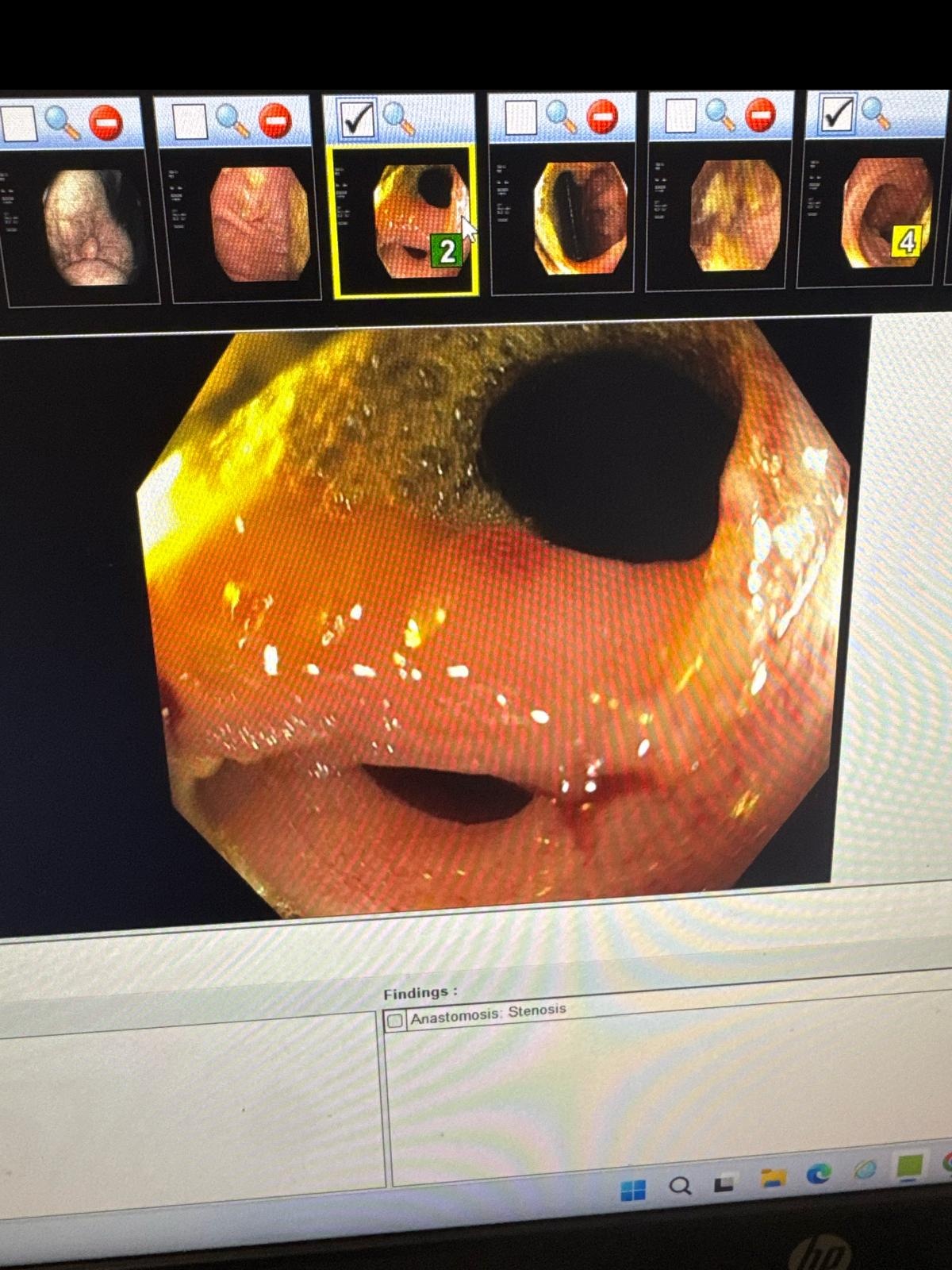
A Crohn's patient with uncontrolled disease presented with a stricture showing an unusual septated appearance at what was thought to be an anastomotic site. The plan was to obtain MRE before considering dilation.
What’s Next
Every case in this digest came from real conversations in the EndoCollab private WhatsApp community, 650+ practicing endoscopists discussing cases daily from every continent. Lifetime members get permanent access to the group, plus the full EndoCollab case library of 1,700+ teaching cases, technique videos, and references.