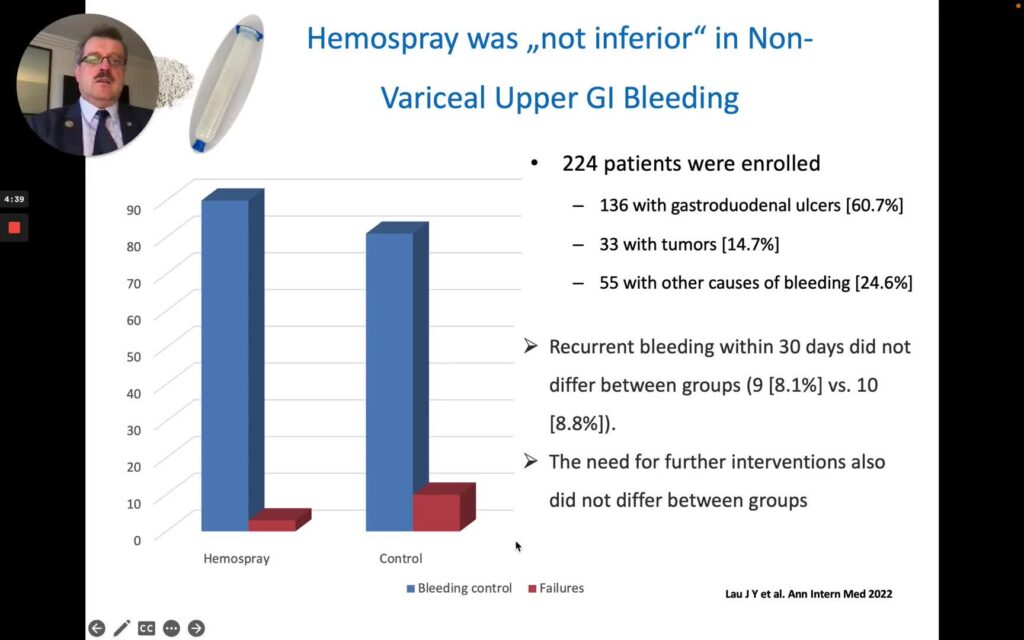
Hemostatic powders represent one of the most interesting developments in endoscopic bleeding management over the past decade. While traditional mechanical and thermal methods remain our mainstays, these powder-based agents offer unique advantages in challenging bleeding scenarios where conventional approaches may fall short.
The Science Behind Hemostatic Powders
The mechanism of action for hemostatic powders is elegantly simple yet highly effective. When applied to a bleeding surface, these agents absorb blood and water, which initiates coagulation and stabilization of the blood clot, leading to temporary bleeding cessation. The concept actually originated from military applications, where the US Army explored using similar powders in battlefield situations to control massive hemorrhage from traumatic amputations.
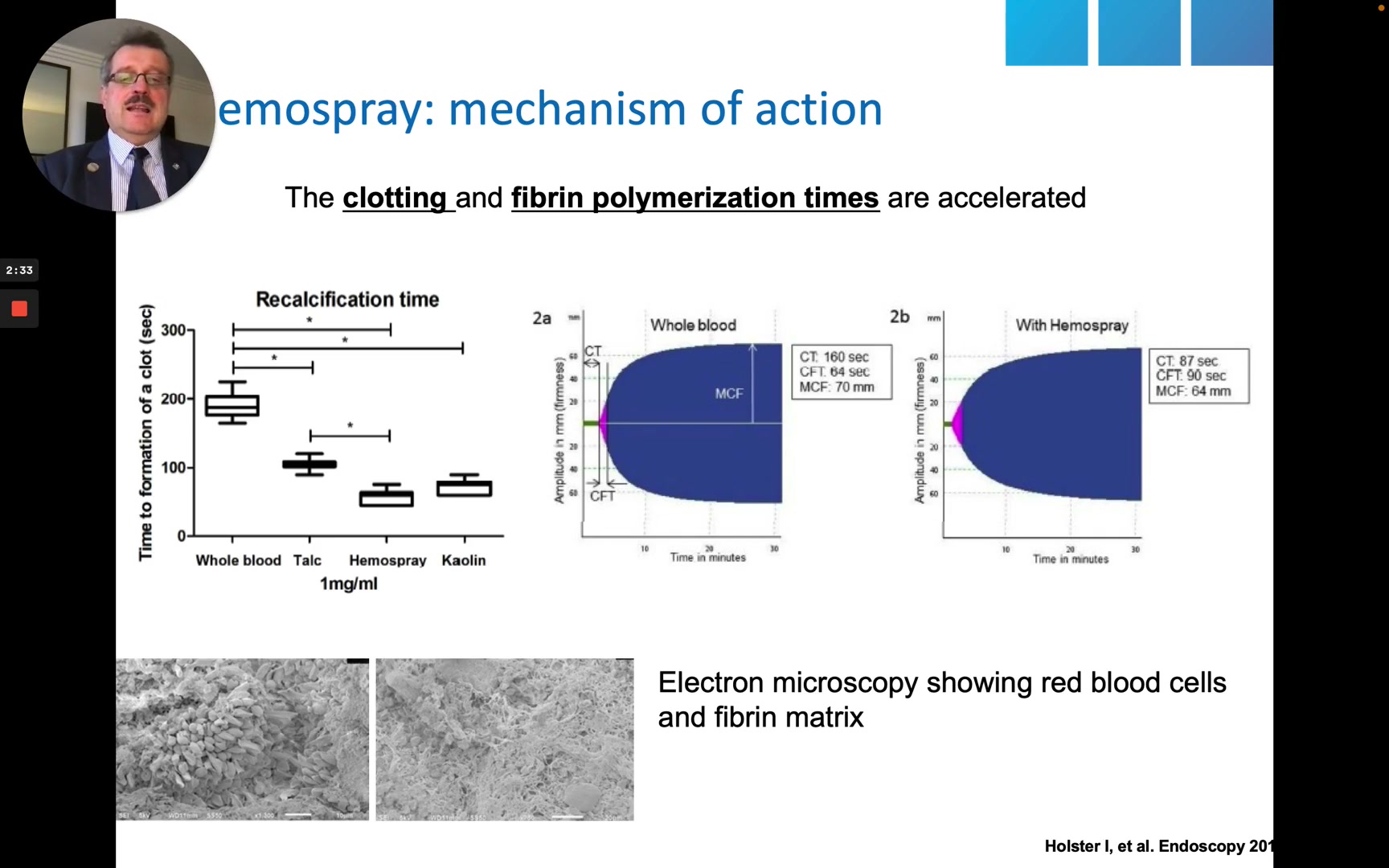
In the gastrointestinal tract, the powder works through multiple complementary mechanisms. It recruits platelets, traps red blood cells, and creates a controlled inflammatory process involving white blood cells, all of which contribute to forming a stable coagulum. Once applied, the product creates a protective membrane and barrier after water absorption is complete.
The research validating these mechanisms has been particularly thorough. Holster and colleagues from Holland published excellent work in Endoscopy, including electron microscopy studies that beautifully demonstrated how red blood cells and fibrin networks form. Their studies confirmed that hemostatic sprays like Hemospray significantly reduce rebleeding time and accelerate clot formation.
Clinical Application and Technique
Application requires a specialized delivery system consisting of a cartridge that forcefully pumps the powder through either a 7 or 10 French catheter. This catheter size requirement has important practical implications for scope selection and procedural planning.
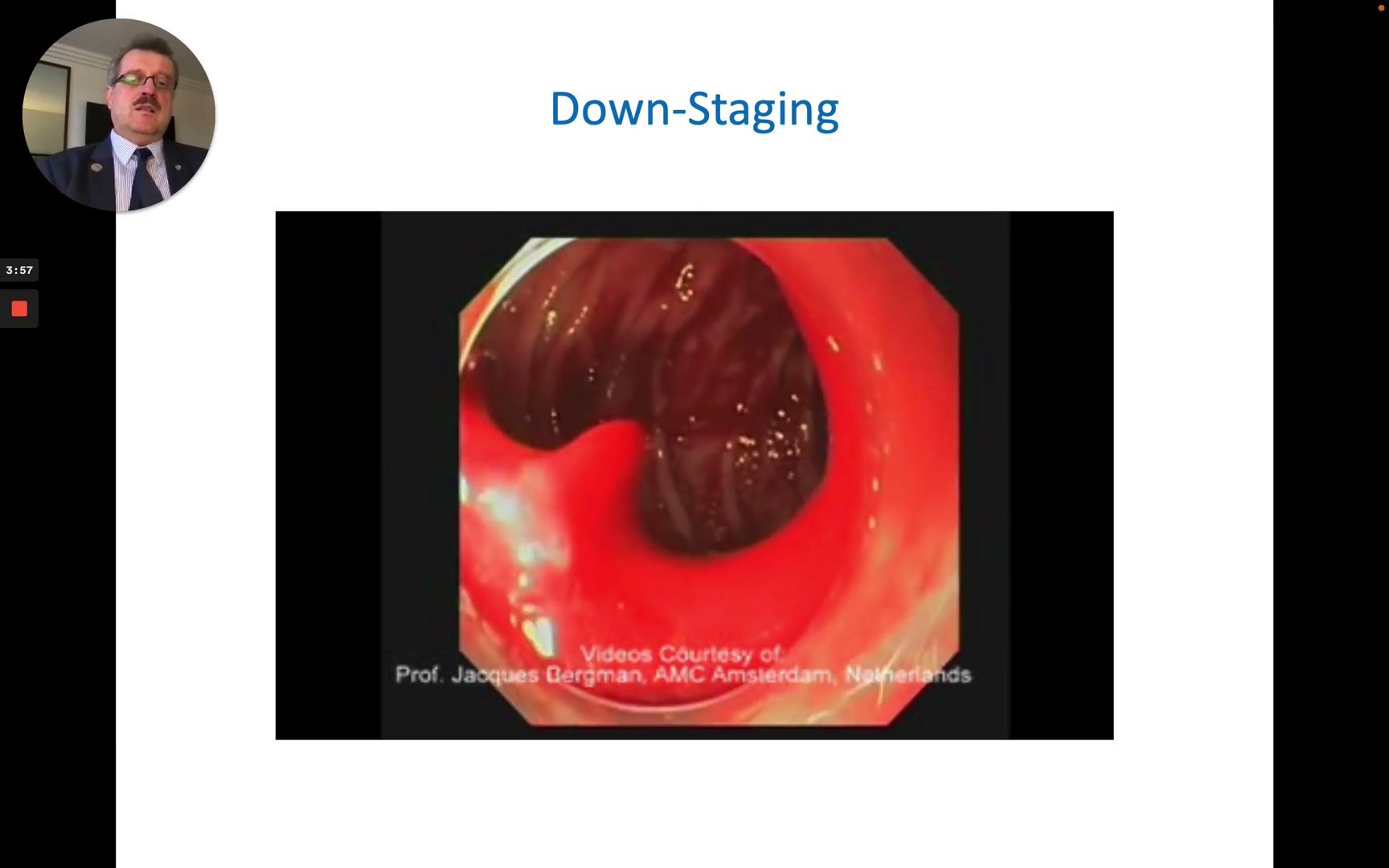
I’ve used these agents in challenging cases, such as post-ESD bleeding that continued despite clips, injection, and fibrin application. In one memorable case, we discovered the patient had acquired von Willebrand disease only after the procedure, which explained the refractory bleeding. The hemostatic powder provided the temporary hemostasis we needed.
Continue reading with a membership
This article continues with clinical evidence, variceal bleeding analysis,
next-generation hemostatic agents, and 5 key clinical pearls.
Plus full video with chapters and English captions.
Already a member? Log in