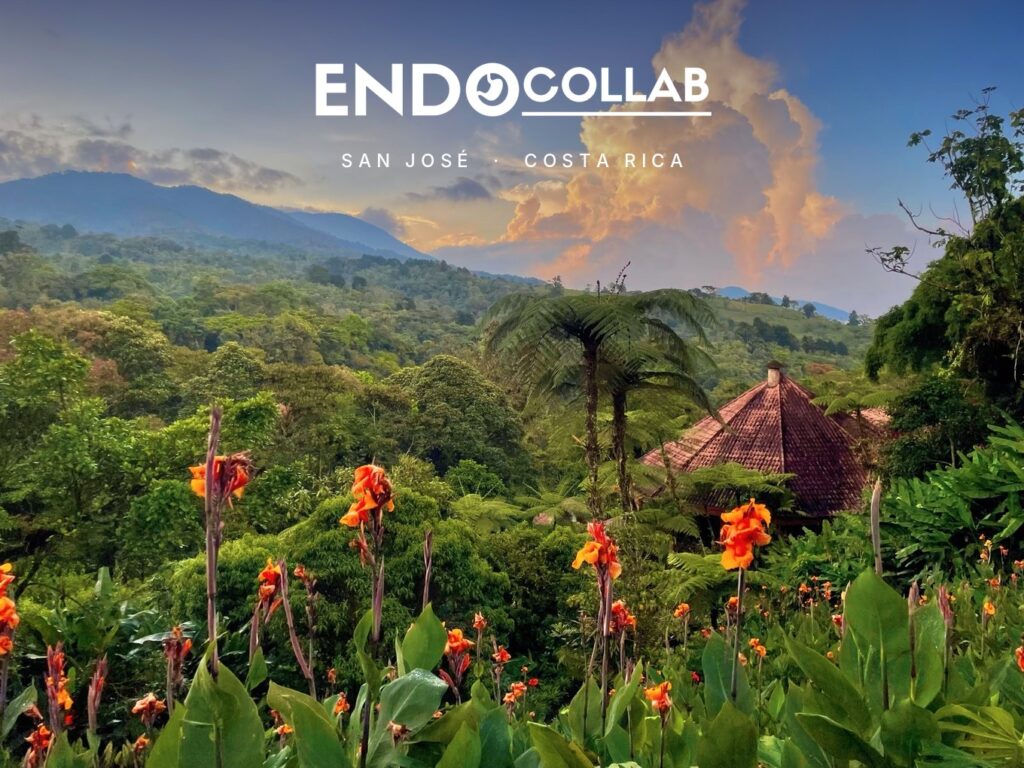
DISPATCH · COSTA RICA · NOVEMBER 2026
A week among colleagues at the national congress in San José, with detours to volcanoes, crater lakes, and coffee country.
By Klaus Mönkemüller · Photographs by the author
Greetings from San José, Costa Rica. This week I joined roughly 300 Costa Rican and international colleagues, from every corner of our specialty, at the XVI Congreso Nacional de Gastroenterología y Endoscopia Digestiva. It was an honor to be invited, and every conversation since has been rewarding.
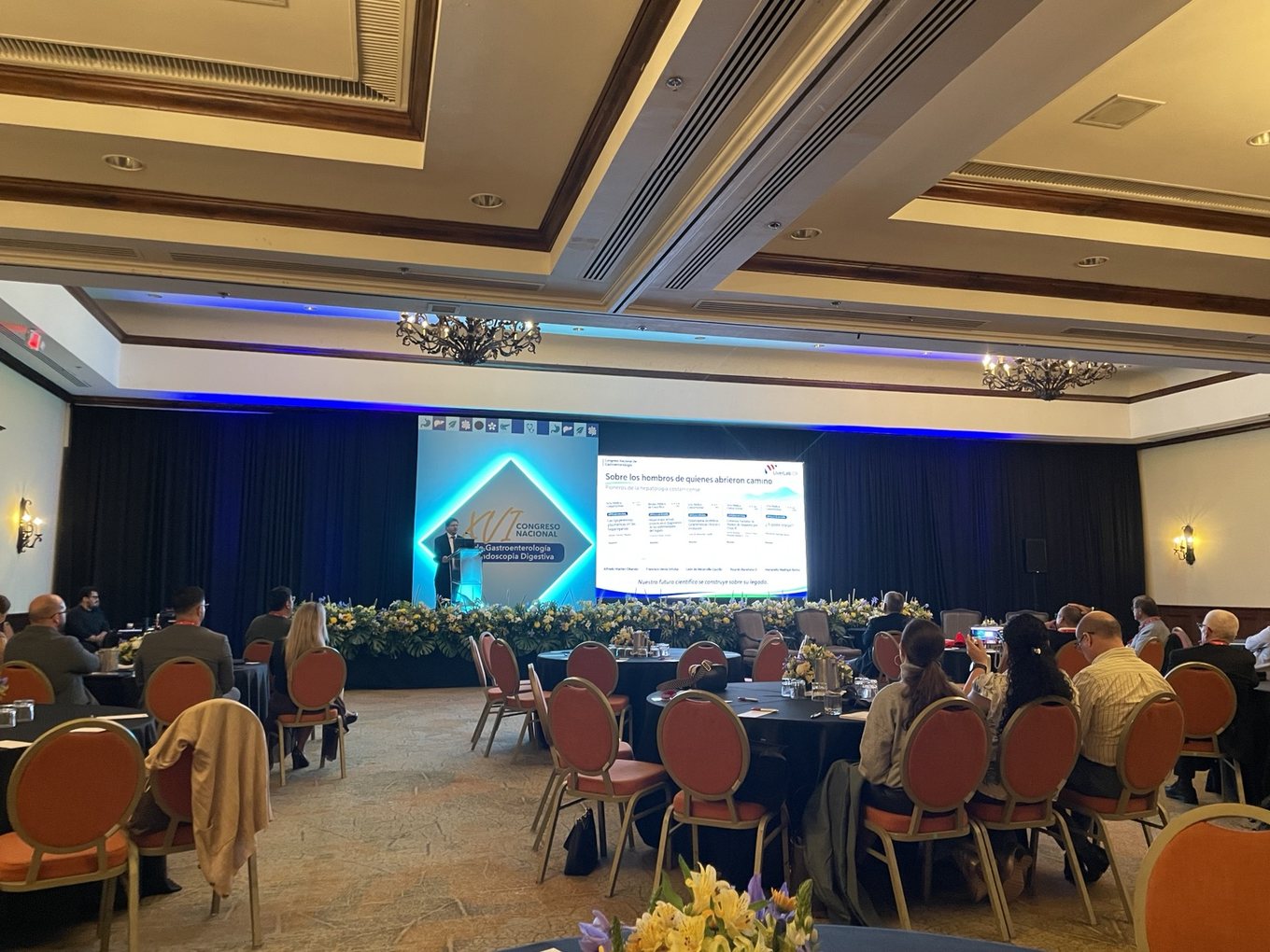
What I will remember most is the people. They are open, curious, and eager to share what they know. Costa Rica has earned a strong reputation for endoscopic screening and early endoscopic treatment of gastric cancer. The Liver Group of Costa Rica is producing excellent clinical research, and the country’s gastroenterology training and clinical institutions are first rate. It was a special joy to meet several EndoCollab members in person and to keep learning from one another, this time face to face.
“What I will remember most is the people.”
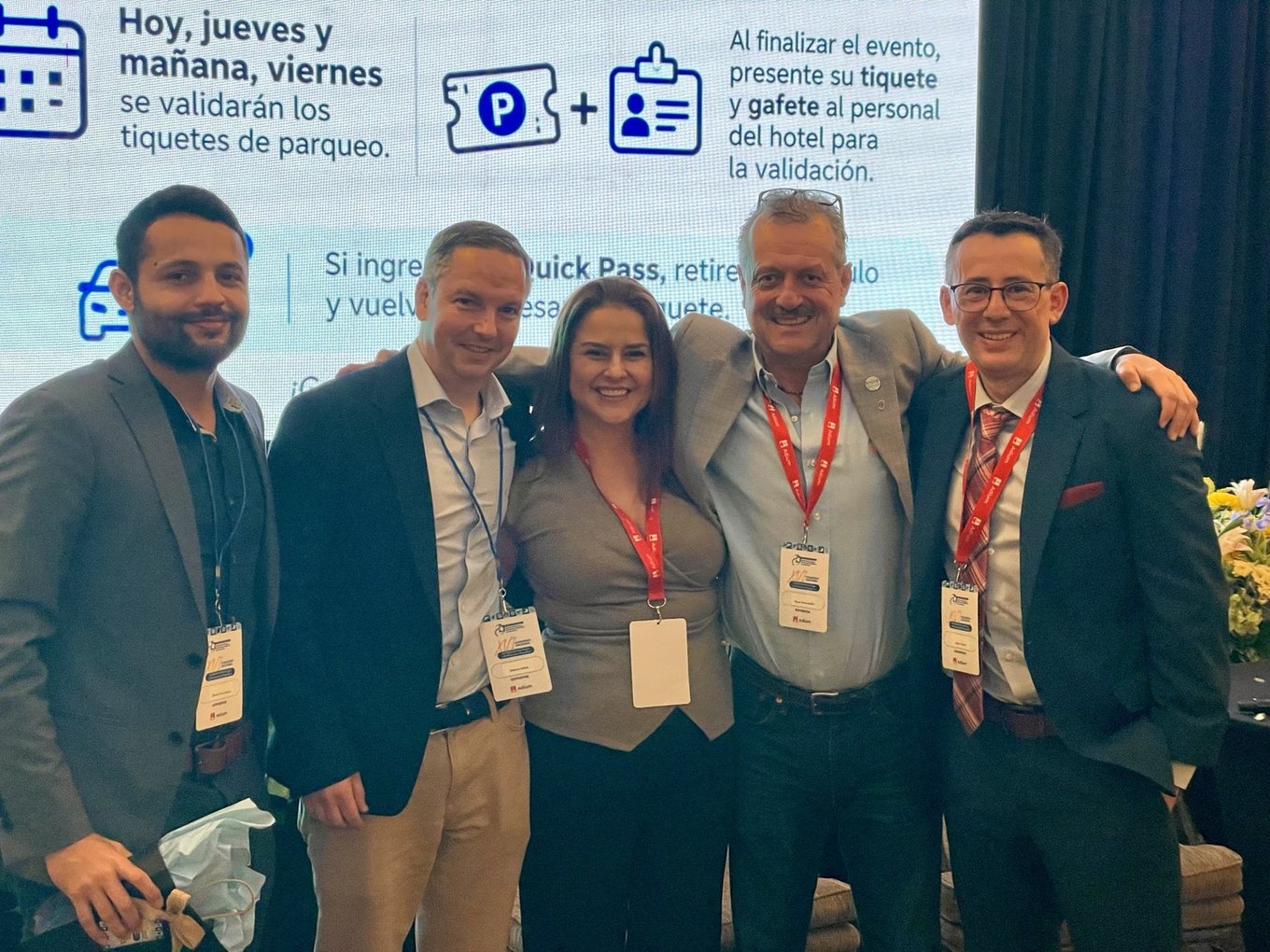
I had the chance to speak on three topics: endoscopic management of the difficult bile duct stone; managing endoluminal defects, including perforations, fistulas, and dehiscences; and “Endoscopia Extrema,” extreme endoscopy. I also had the pleasure of hearing Dr. Patiño, one of the founding fathers of gastroenterology in Costa Rica and of its GI society. By every measure, the congress was a success.
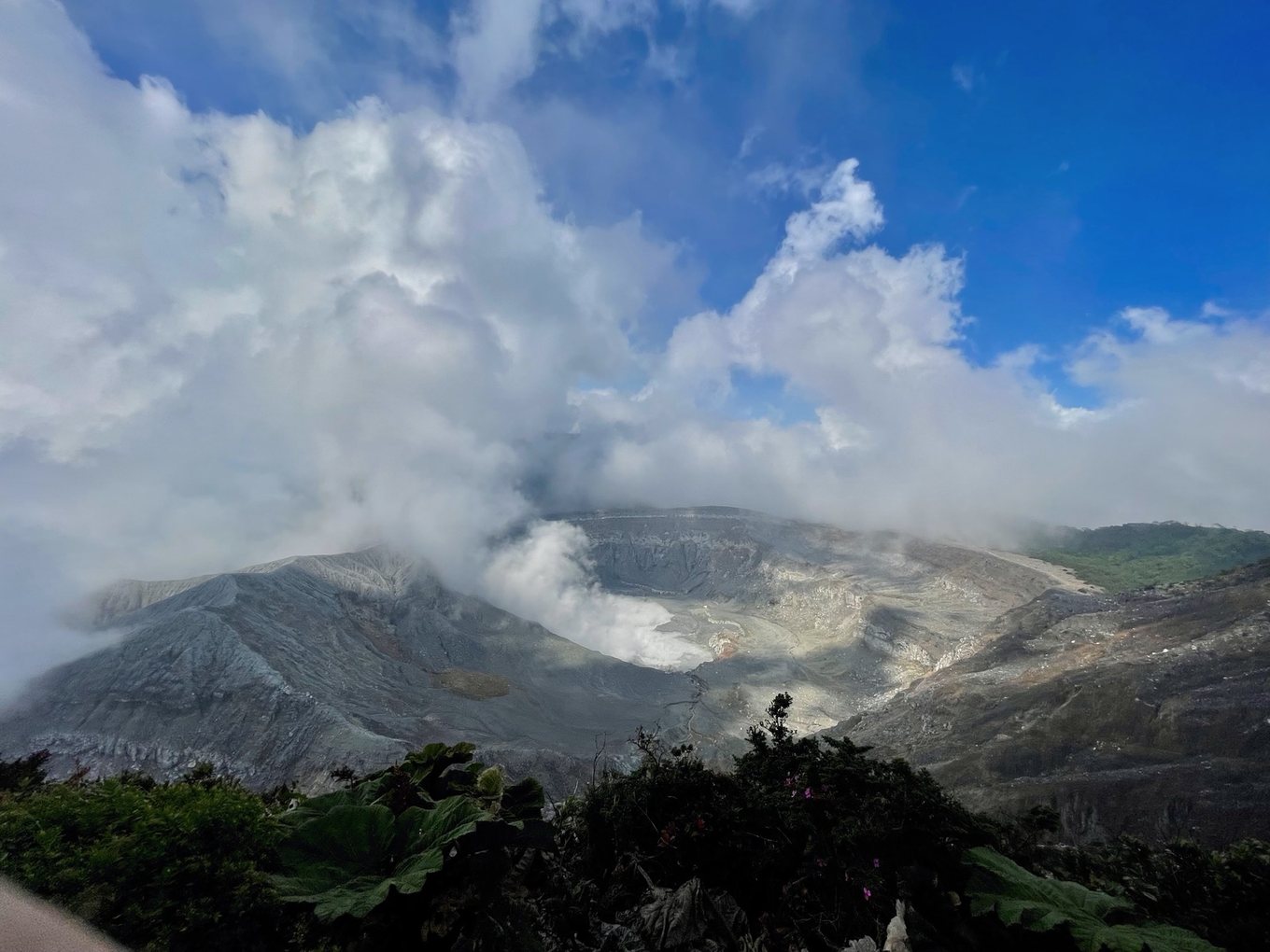
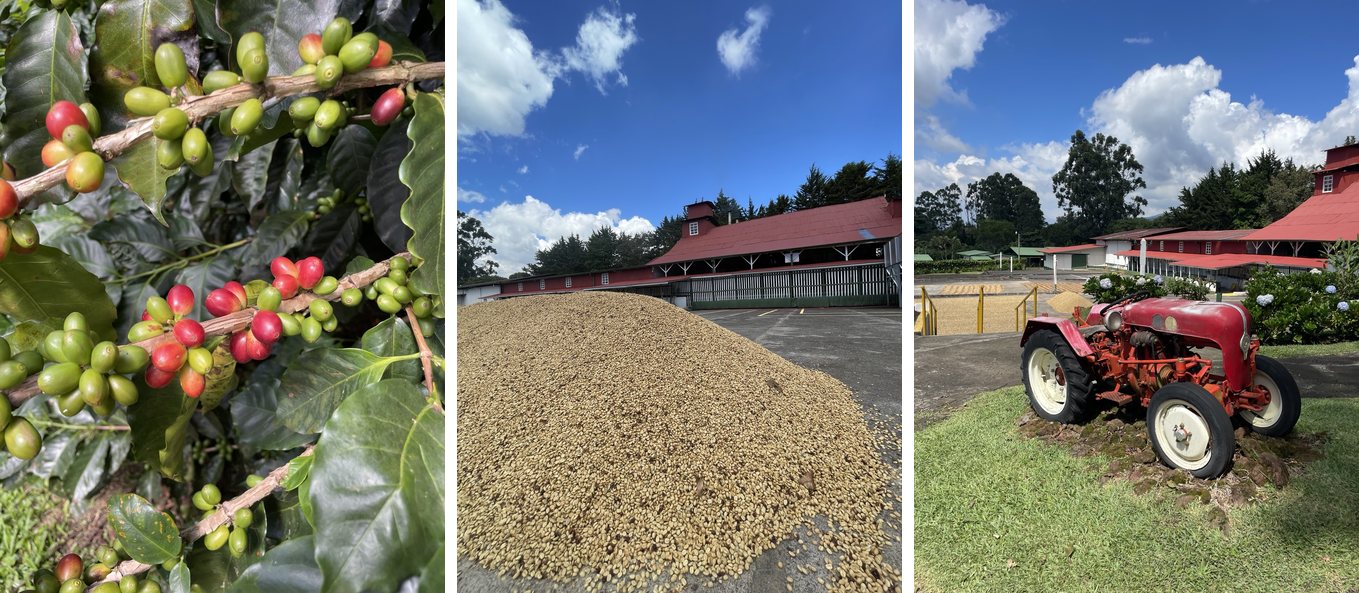
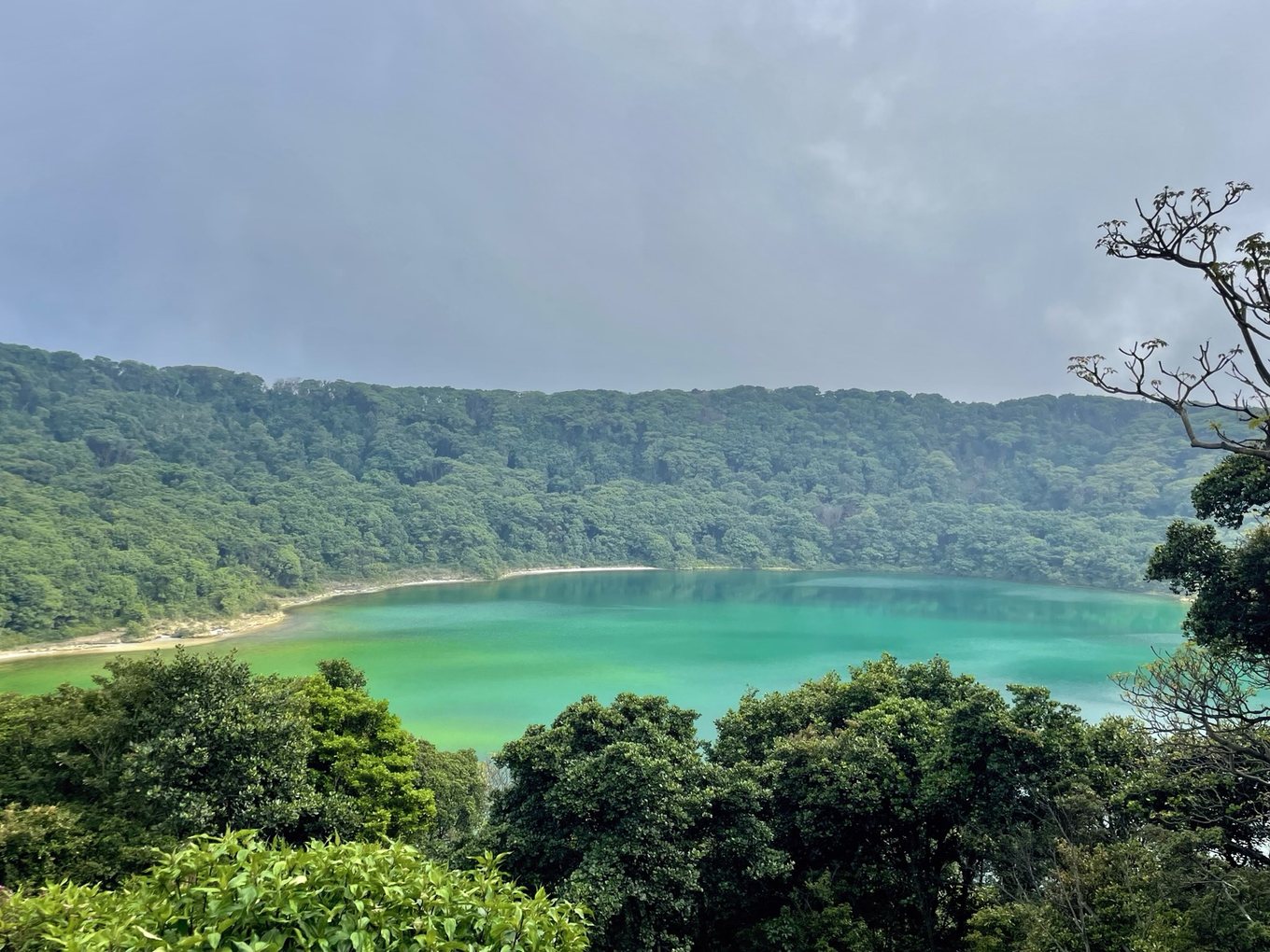
Outside the lecture hall, Costa Rica’s nature is simply remarkable. A visit to the Doka Coffee Plantation taught me how many of the world’s finest coffee varieties were developed right here. The same spirit of careful cultivation shows in medicine: Costa Rica has grown into a Latin American leader in hepatology and interventional endoscopy.
My sincere thanks to Dr. Marianela “Nela” Alvarado, now serving her fourth term as President of the Costa Rican society, for organizing an outstanding meeting. Thank you as well to Dr. Wagner Rodríguez Quesada, one of very few gastroenterologists anywhere who perform TIPS (transjugular intrahepatic portosystemic shunt), a complex procedure usually done by interventional radiologists or vascular surgeons.
Weeks like this remind me how fortunate I am. I am grateful for this opportunity, for the colleagues who have welcomed me, and most of all, for you. Whether we connect at a congress or online, your questions, shared cases, and generosity are what make EndoCollab so meaningful and worth building. As we enter the Thanksgiving season, I find myself especially grateful for this community and for each of you who make it what it is. Wishing you and your loved ones a wonderful Thanksgiving filled with peace, happiness, and time together.
With appreciation,
Klaus Mönkemüller, MD, PhD, FASGE (USA), FJGES (Japan)
Founder, EndoCollab