Adil S. Mir, MD, FACP
Gastroenterology Fellow, Department of Gastroenterology, Carilion Memorial Hospital, Virginia Tech Carilion School of Medicine, Roanoke, USA
Reid Wasserman, DO
Internal Medicine Resdent, Department of Internal Medicine, Carilion Memorial Hospital, Virginia Tech Carilion School of Medicine, Roanoke, USA
Klaus Klaus Mönkemüller, MD, PhD, FASGE, FJGES
Professor of Medicine
Department of Gastroenterology, Carilion Memorial Hospital, Virginia Tech Carilion School of Medicine, Roanoke, USA
Case Presentation:
A 75-year-old patient underwent a colonoscopy because of hemoccult positive stools and severe microcytic and iron-deficiency anemia. Several angiodysplasias of the colon were found. Angiodysplasias are also called arteriovenous malformations (AVMs) (Figure 1 C, E, F, G, H). In another newsletter we will dwell into which terminology is more appropriate to describe these lesions, but for now we will use the terms interchangeably as they really point to the same problem: “malformed (= dysplastic) tissue” (dys-plasis: abnormal growth or development of a tissue) (malformed = crooked or badly formed) (1).
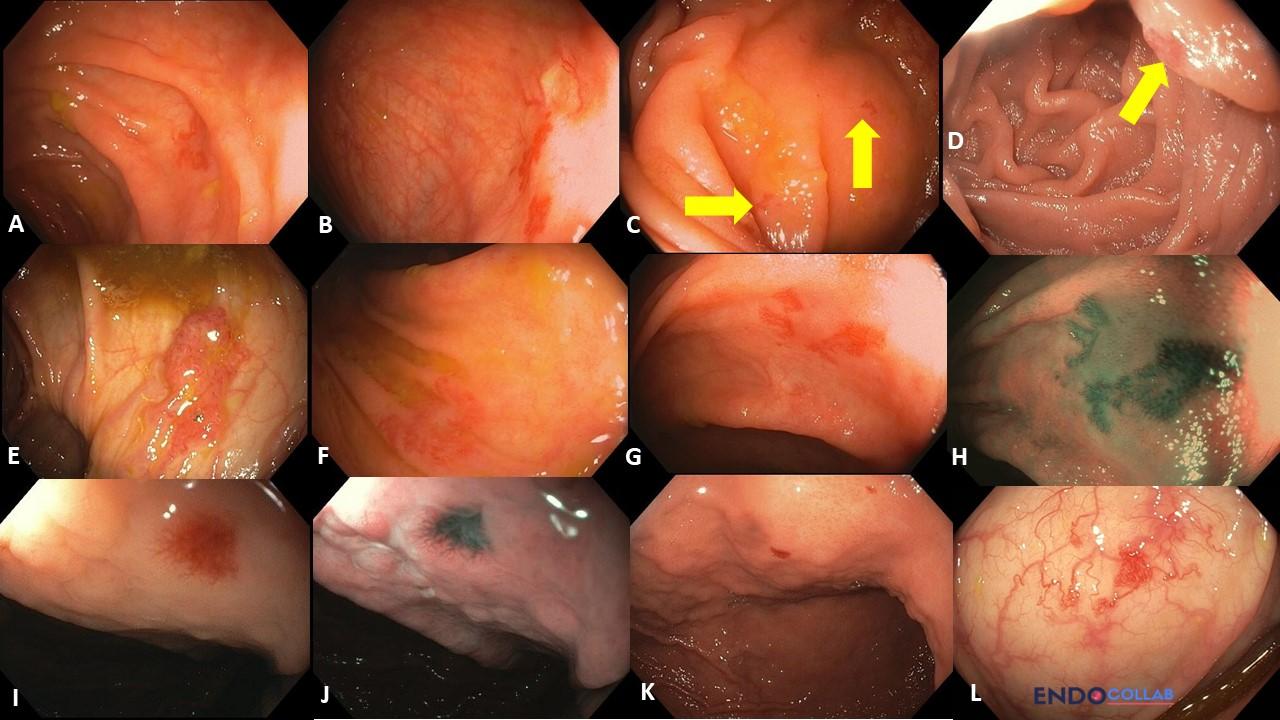
Figure 1. Several types of angiodysplasias of the colon (A-H), stomach (I-K) and duodenum are shown. Most angiodysplasias are flat, but often these can be diminutive (Panel C) or quite small (panel K), but with easily visible deformed vessels (I, J, L). The angiodysplasias seen in patients with chronic liver disease and cirrhosis are more “spider-like telangiectasias” (A, B). Often, it is hard to see angiodysplasias (D). The use of narrow band imaging enhances the possibility to characterize these vascular lesions (J).
Argon plasma coagulation (APC) is the most common method to treat angiodysplasias.
APC is a non-contact electrical coagulation method that results in tissue damage via heat (thermocoagulation)(1, 2). APC thermocoagulation allows for destruction of tissue at different levels, but generally APC is used to ablate mainly the mucosa and superficial submucosa (1, 2).
Here are six top tips for application of APC.
- Know your settings.
There are two key settings to know: a) Watts and b) Flow (of argon gas). However, coagulation (“tissue damage”) depends on other additional factors such as duration of application, direction of application (straight or continuous movement, the latter also called “painting”), and distance to the target tissue. In Nr. 3 and Nr. 5 we explain the concept of APC application using all these factors, which we call “dynamic” APC.
- Know your probes.
There are three main probes: a) straight fire (flow is from the tip), b) side fire (flow is from the side, and c) distal (protection or safety) ceramic tip, which decreases the chances of contact damage to the mucosa, as the ceramic does not transmit electricity.
- Adapt settings
Settings and probes may need to be adjusted based on location (esophagus, stomach, small bowel, cecum, colon, rectum) and disease process (tumor, active bleeding, Barrett’s esophagus, polyp remnants). Nonetheless, it is important to remember that the application of APC is dynamic. For example, using low wattage setting, but firing straight into a spot in the small bowel repeatedly or for several seconds may directly result in perforation. Indeed, deep tissue damage and destruction of tissue may sometimes be desirable, such as ablating residual tissue from polyps, or debulking of tumors. On the other side, using high power settings with a longer distance between the probe and tissue while using a painting motion may result in superficial damage. Thus, blindly relying on pre-selected settings may give a false sense of security. Therefore, we highly recommend understanding how to use the APC machine to change settings for the most appropriate application, and most importantly, using APC dynamically while considering all factors (power, flow, duration, direction and distance) during the application process.
- Create an arc (spark)
The essential concept is to create an arc of sparks which, upon contact with the tissue, result in desiccation and coagulation (Figure 2).
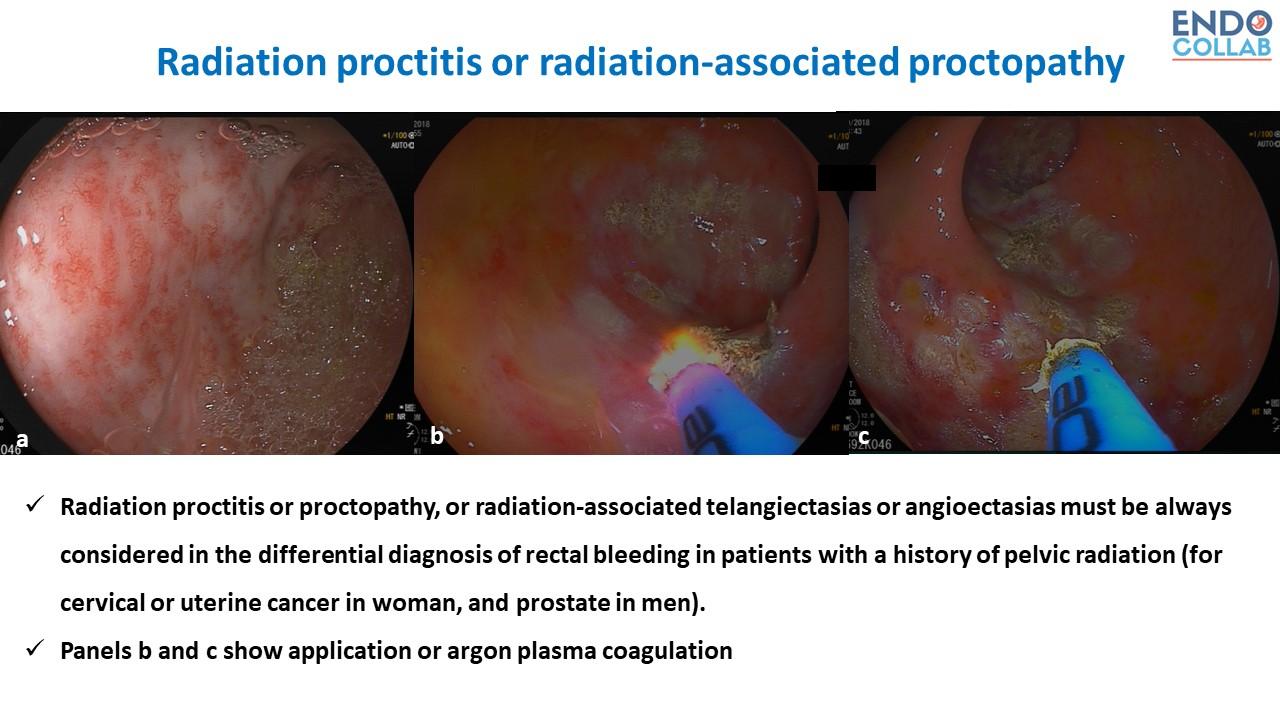
Figure 2. Creation of a spark with argon gas. The key aspect is to have the probe about 1-2 mm from the target tissue. This short distance allows for the electrical current to create a spark with the flowing argon gas, which in turns “burns” or coagulates tissue.
One common misconception is that APC only results in “superficial” tissue damage, however, persistent application of APC into one spot can result in carbonization, vaporization and deep tissue injury, or even frank perforation!
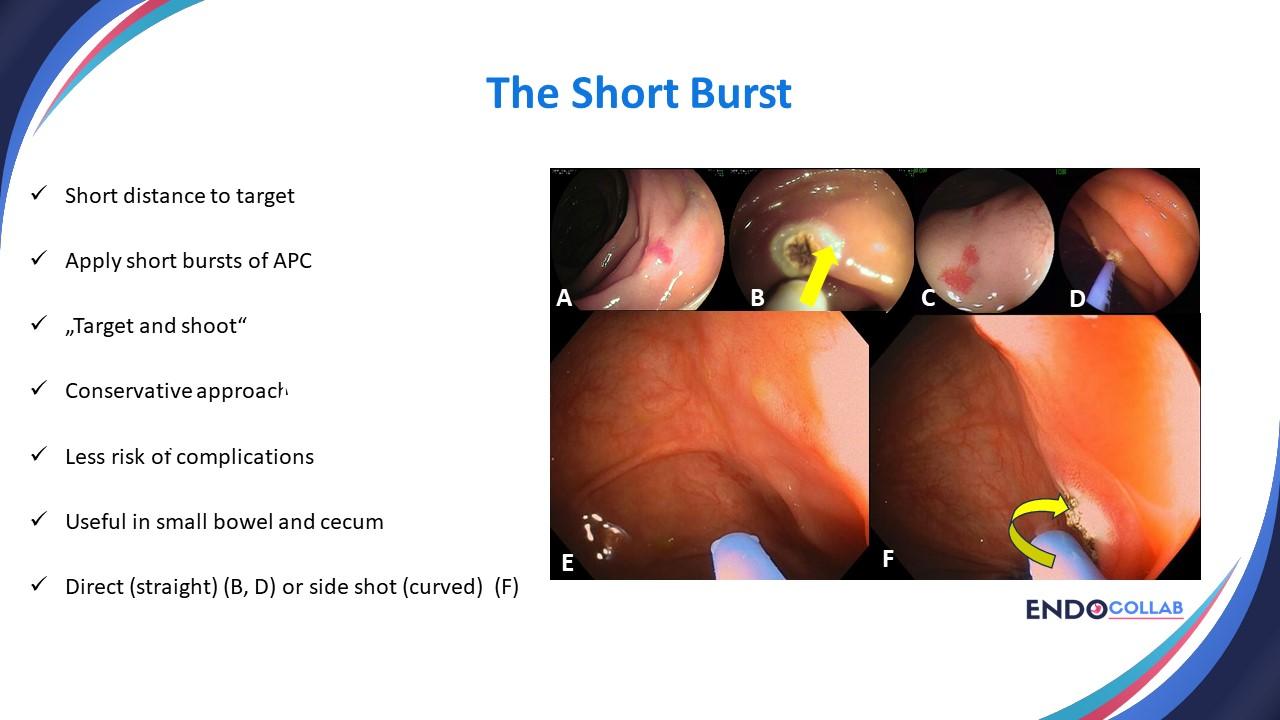
Figure 3. The short burst technique. APC is applied at closed distance, with short bursts.
- Application is a dynamic process.
The dynamic APC application process implies the following steps: a) probe exposure distally to scope, b) probe distance from the tissue, c) en-face (straight in front of the lesion) or tangential or side application, d) movement of the probe and scope and probe, e) duration of application (Figures 3 and 4).
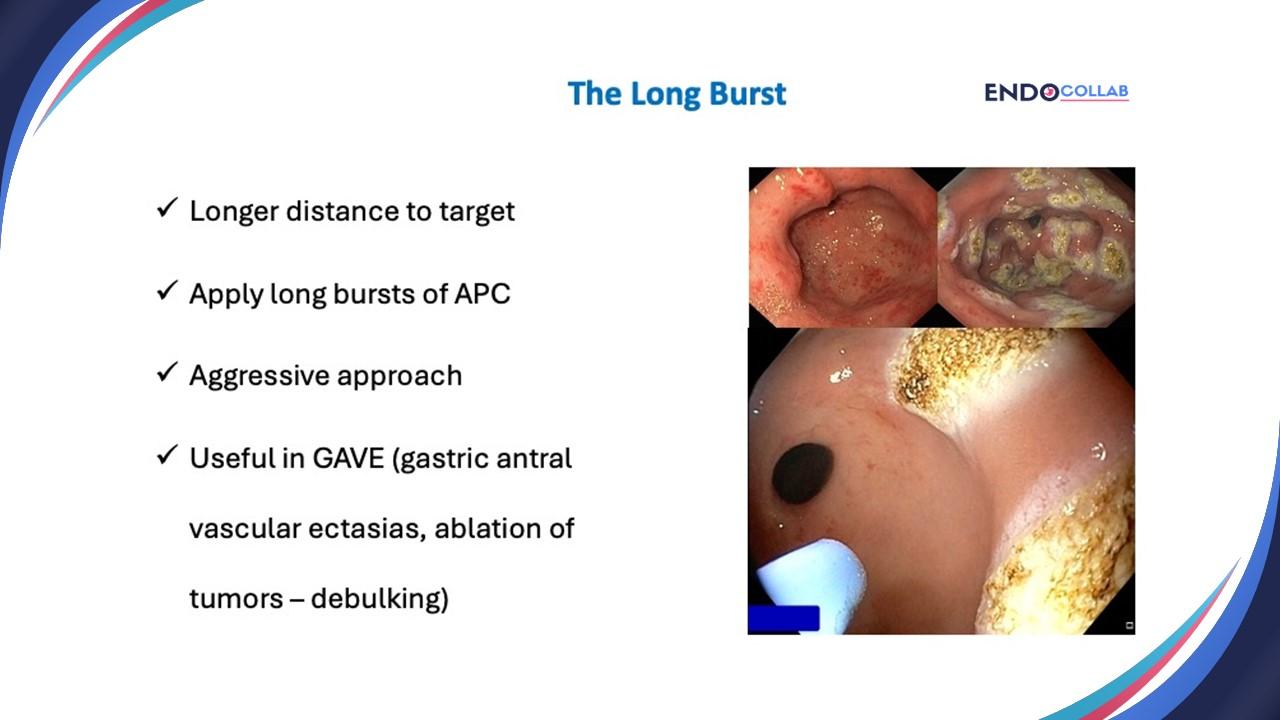
Figure 4. The long burst technique. The distance to the target is “longer” (about 2-3 mm), the wattage and flow are higher, and the application is more continuous.
- “Personalize” therapy.
When applying APC, you should take both, a) patient and b) lesion into consideration. The patient’s condition, co-morbidities and use of anticoagulants will determine the aggressiveness of therapy as well as considerations to use double or triple approaches, such as: APC plus clip, submucosal injection followed by APC, or the submucosal cushion, APC and clip (Figures 5-7). When considering the lesion, one needs to determine its size, location, and stigmata of recent hemorrhage, which all determine single (Figures 2-4), dual (Figures 5 and 6) or triple therapy (Figure 7).
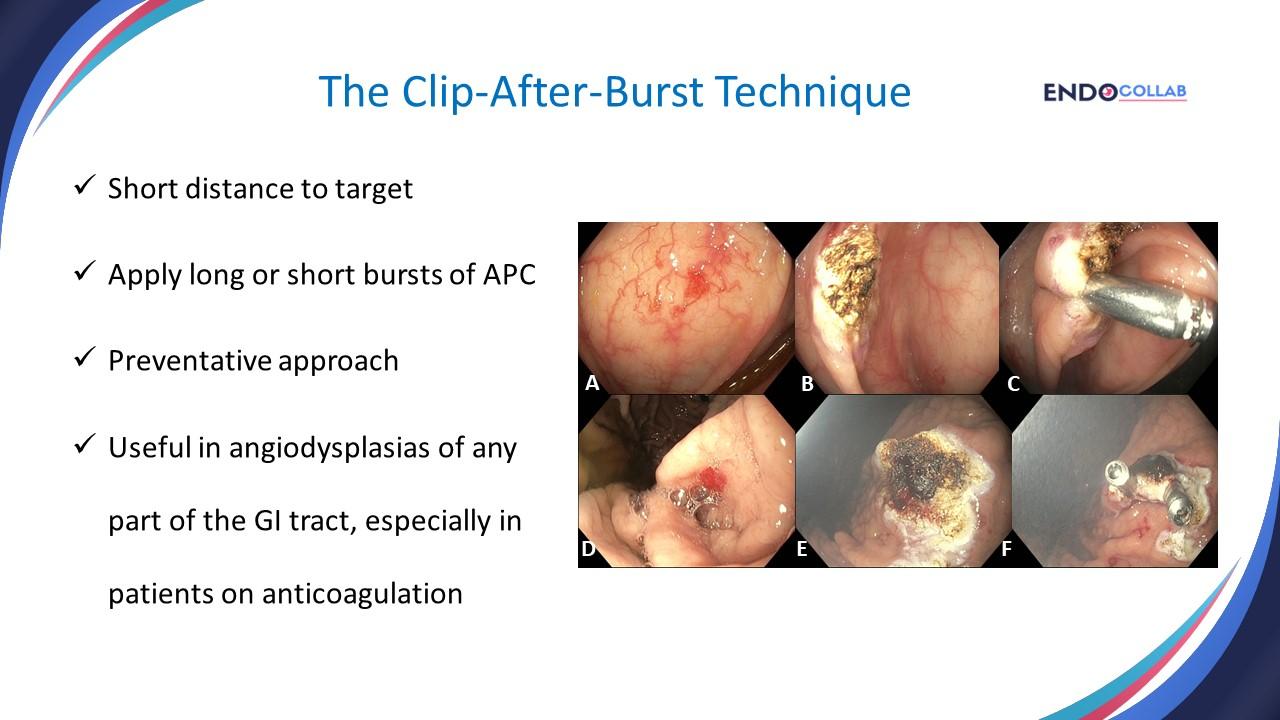
Figure 5. The Clip-After-Burst Technique. First apply APC and coagulate the angiodysplasia using short or long bursts of APC. A clip is then placed on the coagulated area. This is a safety or preventative approach, which we use in lesions located in the cecum that underwent lots of burning, or high-risk patients. Useful in angiodysplasias of any part of the GI tract, especially in patients on anticoagulation.
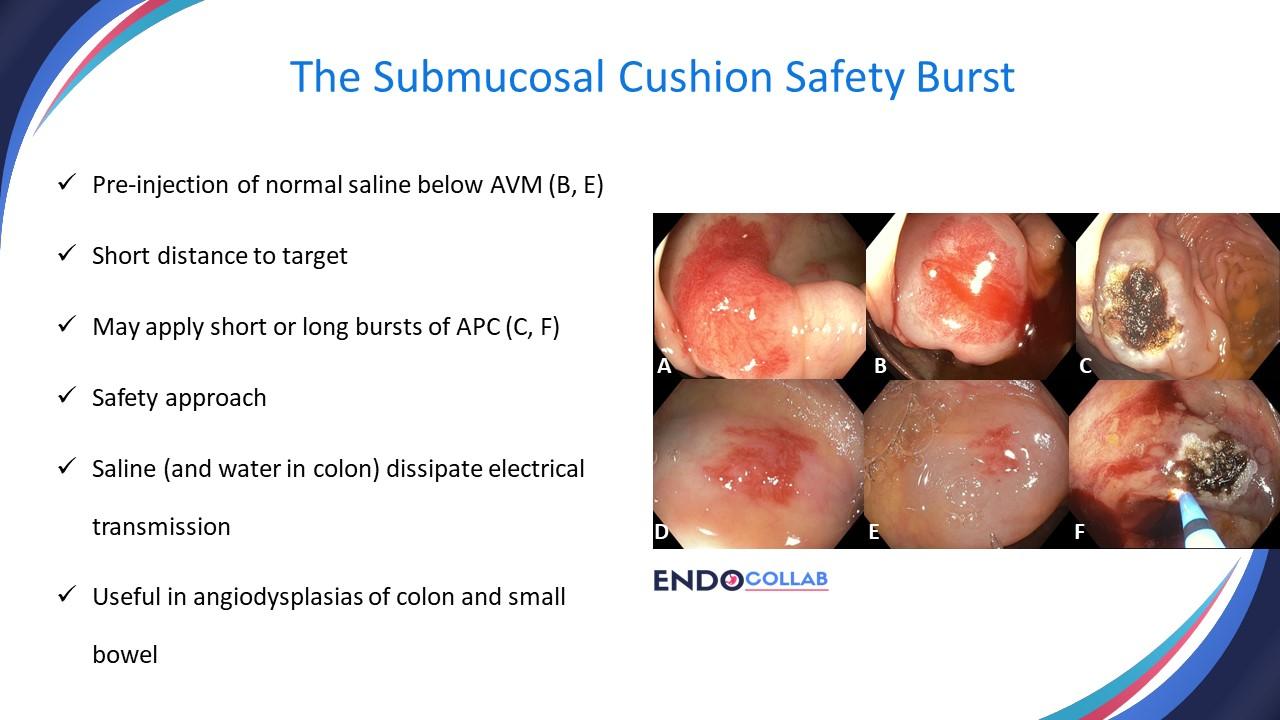
Figure 6. The submucosal injection-safety burst. With this approach, pre-injection of normal saline below the angiodysplasia is performed, followed by APC. Saline will dissipate the electrical current, and the submucosal cushion prevents deeper injuries, and the angiodysplasia is safely burned.
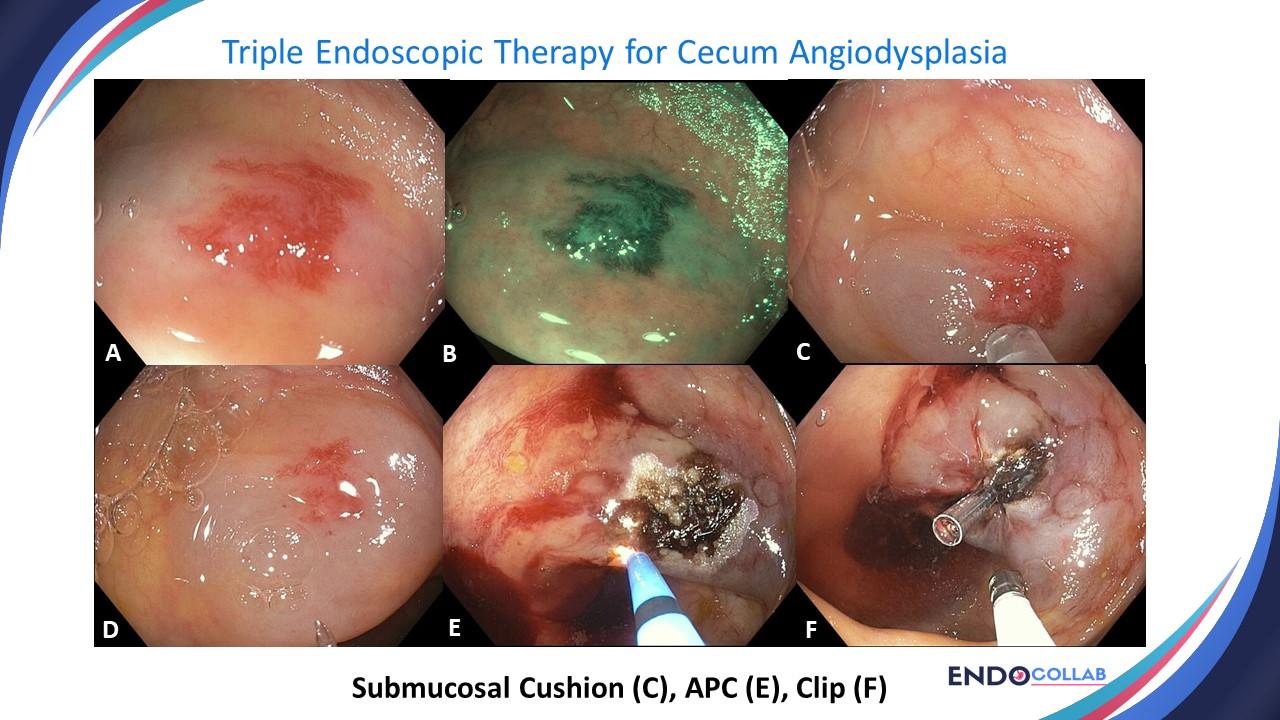
Figure 7. Triple endoscopic therapy (submucosal cushion, APC and clipping). This approach is mostly used in multi-morbid patients, those on anticoagulation and in situations where application may be riskier (e.g. thin-walled cecum in elderly patient).
In sum, APC is widely used to treat angiodysplasias of the GI tract. Knowledge of its principles and various application may increase its efficiency and efficacy, while decreasing complications. There are several adjunctive therapies to increase efficacy of angiodysplasia elimination and prevent complications such as clipping, submucosal cushion and resection (3, 4). One complication when using APC is one too much. Therefore, we prefer to personalize therapy and use safety steps and tricks to avoid any complication.
References:
- Manner H. Thermal ablative therapies in the gastrointestinal tract. Curr Opin Gastroenterol. 2023 Sep 1;39(5):370-374.
- Sakai E, Ohata K, Nakajima A, Matsuhashi N. Diagnosis and therapeutic strategies for small bowel vascular lesions. World J Gastroenterol. 2019 Jun 14;25(22):2720-2733.
- Jovanovic I, Knezevic A. Combined endoclipping and argon plasma coagulation (APC)–daisy technique for cecal angiodysplasia. Endoscopy. 2013;45 Suppl 2 UCTN:E384.
- Geyl S, Albouys J, Schaefer M, Lepetit H, Legros R, Pioche M, Jacques J. Is endoscopic mucosal resection optimum for treating colonic angiodysplasia? Endoscopy. 2022 Dec;54(12):1233-1234.
No COI by ASM or KM with any of the companies/utensils or products mentioned in this article.
Images from EndoCollab. See endocollab.com for more information, including videos, quick tips and lectures on these and many other practical endoscopy tricks and techniques.
Join the Premier Endoscopy Community – EndoCollab
Boost your endoscopy expertise with EndoCollab, the most comprehensive resource for endoscopists. As a member, you’ll get:
• Access to 1000+ endoscopy strategies and techniques from top experts
• Ability to collaborate with a network of 1200+ endoscopists worldwide
• Case reviews to get answers to your toughest questions
• A vast library of endoscopy videos, images and courses at your fingertips
EndoCollab helps you stay at the forefront of endoscopy so you can provide the best care for your patients. Join our community of exceptional endoscopists today.
EndoCollab is a game-changer for any endoscopist looking to expand their knowledge and connect with leading experts.
Don’t miss this opportunity to transform your endoscopy practice. Become an EndoCollab member now.
Transform your practice with EndoCollab. Access a vast library of endoscopy techniques and join a network of experts. Elevate patient care – become part of our thriving community!
endocollab.com/join-endocollab