After this 4-minute clip you can seat an overtube, align a sharp object to the lumen, and extract without dragging a tip across mucosa.
5-step extraction sequence
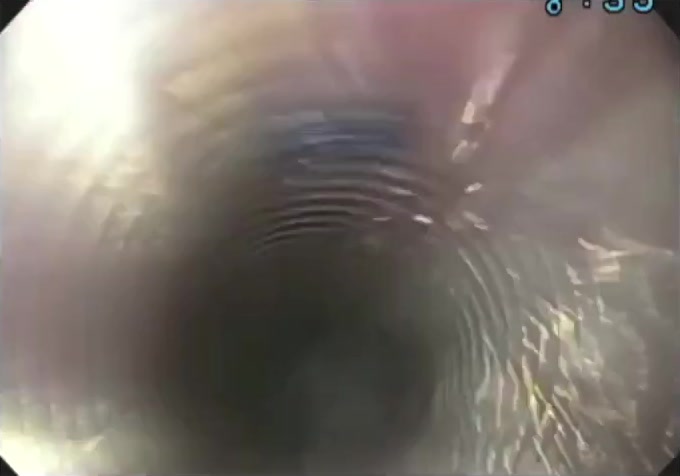
1. Seat Overtube
Overtube into stomach first, then advance scope.
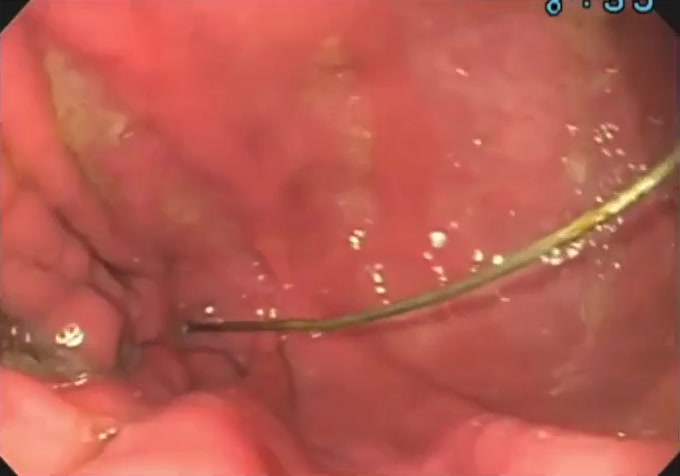
2. Align Axis
Match object axis to GI lumen axis before any traction.
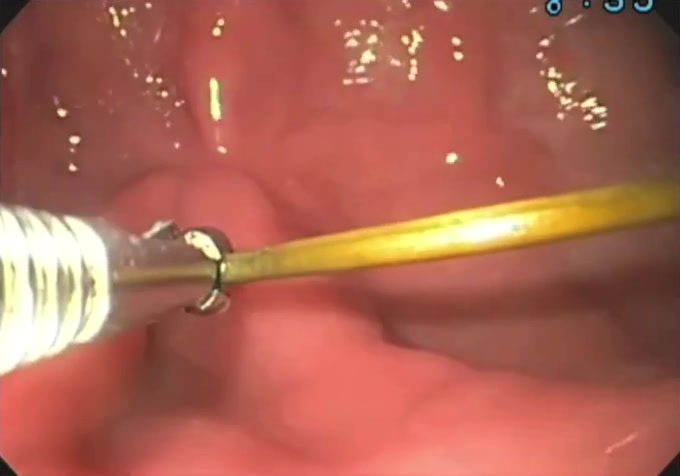
3. Grasp and Torque
Rat-tooth hold, then scope torque to disimpact. No yanking.
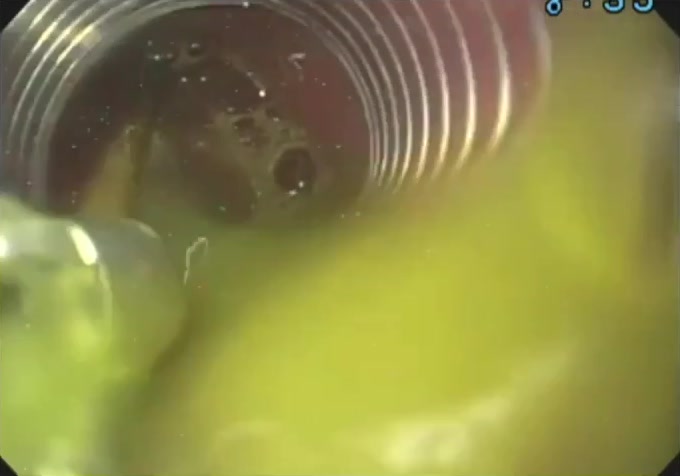
4. Two-Person Exit
Scope withdrawal paired with assistant counter-pressure.
5. House and Re-Look
Pull the object fully inside the overtube, exit, and inspect the contact site.
Night call: metal foreign body impacted in the duodenal bulb. If you grasp and yank before the long axis of the object follows the lumen, you shear mucosa on the way out. This clip from the full-course foreign body lecture (part 1) shows the sequence that protects the wall: overtube first, axis plan, controlled disimpaction, then a two-person exit.
The injury grab-and-pull causes
Sharp or long objects can still be embedded when you first see them. Traction before orientation turns a point into a blade against the mucosa, especially through the upper sphincter.
An overtube only protects after the object is fully inside it. Until then the work is orientation, a secure grasp, and controlled disimpaction so you are not pulling a buried tip.
This case is a metal piece impacted in the bulb, visible from the stomach. Use the same night-call decision whenever unprotected withdrawal would drag a sharp tip across mucosa.
Step 1: Seat the overtube, then look
Advance the overtube into the stomach first. Then pass the endoscope. You want a working channel already in place before you commit to grasping a sharp tip.
Video moment @ 0:19
Significance: Without a seated overtube, a successful grasp still means unprotected withdrawal through the pharynx and upper sphincter.
Step 2: Align the extraction axis before traction
Look at the foreign body. Plan the extraction so the axis of the object follows the axis of the gastrointestinal lumen. That is the decision that avoids new mucosal injury on exit.
Video moment @ 0:33
Significance: Axis planning is the night-call decision. Traction without it is guessing.
Step 3: Secure rat-tooth grasp, then torque to disimpact
Use rat-tooth forceps. Confirm the grasp is solid before you commit. Then torque the endoscope to disimpact the object from the wall. Do not yank a buried tip free.
Video moment @ 0:59
Significance: Disimpaction and extraction are two moves. Mixing them keeps the tip buried while you pull.
Step 4: Pull the scope while the assistant pushes the overtube down
Once the object is free, withdraw the endoscope while holding the forceps tightly. At the same time, the assistant pushes the overtube down. That counter-pressure stops the overtube from riding out with the scope and re-exposing a sharp tip.
Video moment @ 1:20
Significance: Without counter-pressure you lose the protected channel mid-exit.
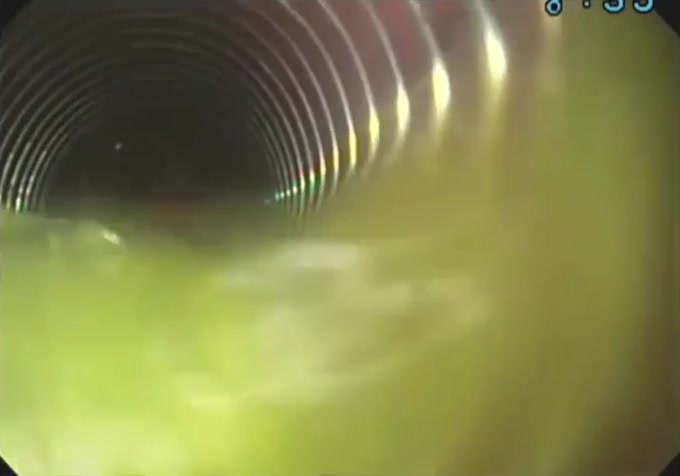
Step 5: Clear fluid early, house the object, then re-look
If bile or fluid pools in the fundus, suction it before you start. In the clip, residual bile briefly blocks the view mid-case. House the foreign body fully inside the overtube before the final exit. After removal, re-inspect the prior contact site. In this case there was no large perforation; a clip was still placed at the contact site. Sharp objects that present late raise concern for abscess, hole, or bleeding, so keep surgical backup in the plan.
Video moment @ 1:58
Need the complete diagnostic and retrieval framework? Watch the full foreign body lecture (part 1).
Overtube FB extraction checklist (paste into the note)
Object / location: ____ (e.g. sharp metal, duodenal bulb)
Overtube seated in stomach: Y/N
Axis planned to lumen before traction: Y/N
Device: rat-tooth (or ____)
Grasp confirmed before torque: Y/N
Disimpacted with scope torque (not yank): Y/N
Assistant counter-pressure on overtube during withdrawal: Y/N
Fluid / bile cleared before / during: Y/N
Object fully housed in overtube before exit: Y/N
Post-extraction inspection (bulb / duodenum): ____
Clip at contact site: Y/N
Surgical backup aware: Y/N
Example wording: “Sharp metal FB impacted in duodenal bulb. Overtube advanced into stomach. Extraction axis aligned to lumen. Rat-tooth grasp with endoscopic torque for disimpaction. Scope withdrawn with assistant maintaining overtube position. Object fully housed in overtube. Post-extraction duodenal inspection without large perforation; prophylactic clip at contact site.”
Get full access to the complete video library
Klaus's procedural workflows for night-call cases. Become a member.
What you'll learn
- Full 4-minute clip without the preview cut
- The rest of the foreign-body lecture series
- The EndoCollab video library
Already a member? Log in
We protect your privacy. No spam. Unsubscribe anytime.