Case Report



 Thamy Beltré, MD; Yamiris Delgado, MD; Paola Collado, MD; Aris Villar, MD
Dominican Republic
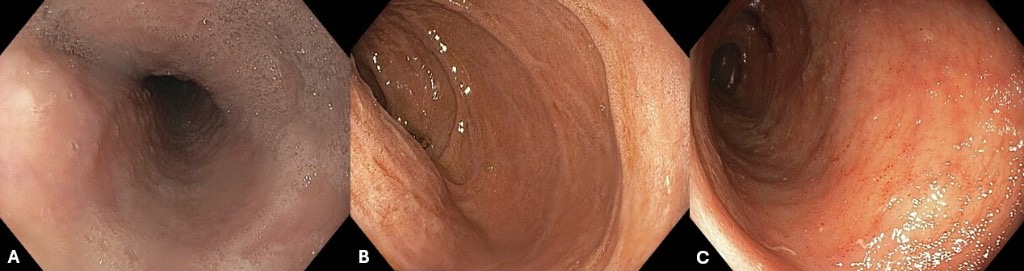
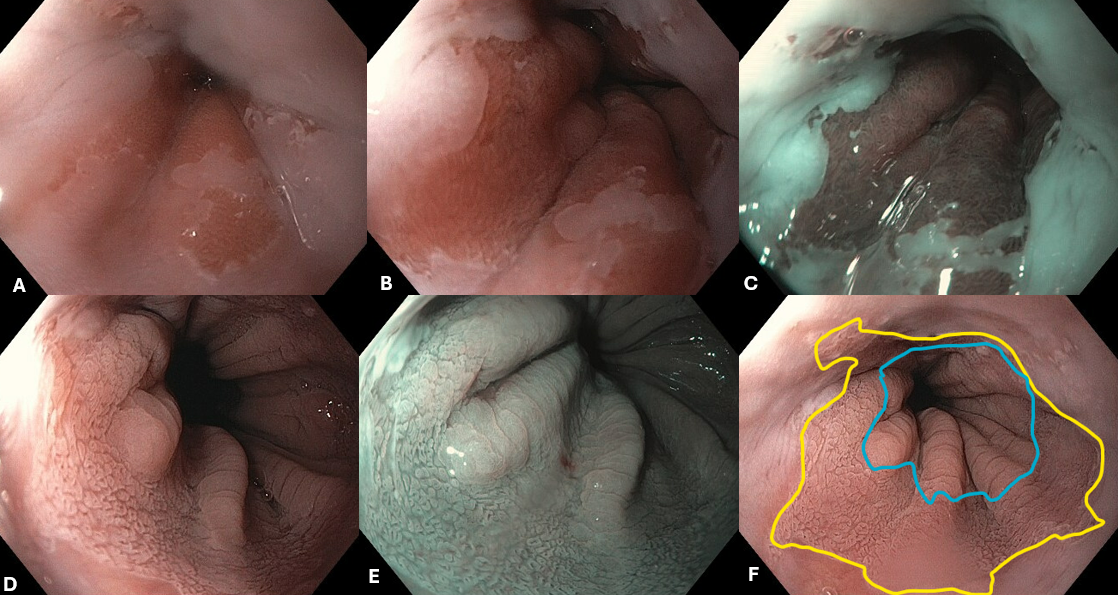
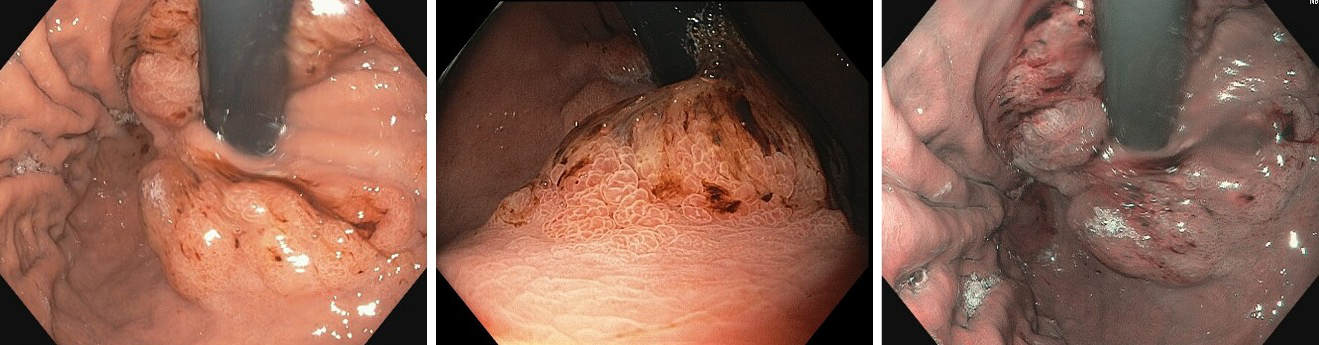
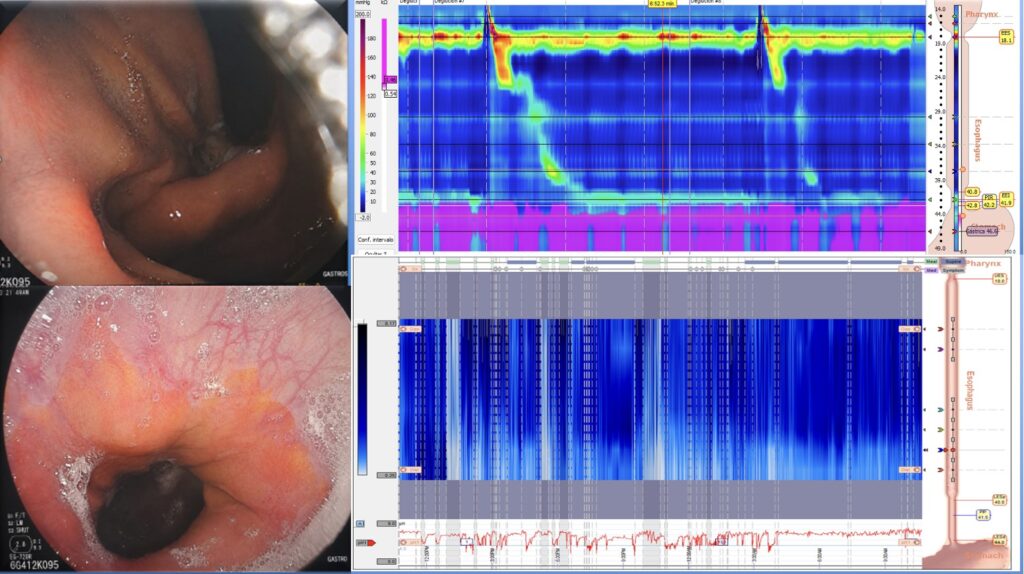
Figure 1 · Endoscopic and physiologic findings


Figure 2 · Gut-brain-heart axis

Experienced teaching points
Clinical Pearls
01Roemheld syndrome (gastro-cardiac syndrome) is postprandial thoracic pain and autonomic symptoms driven by GI factors, after cardiac disease is excluded.
02A large hiatal hernia with pathologic GERD can trap gas and press the diaphragm, producing palpitations, chest pain, and presyncope after meals.
03Watch for the meal-linked sequence: bloating and distension, then thoracic pain, then dizziness or presyncope.
04Treat the GI drivers: smaller meals, fewer gas-producing foods, stay upright after eating, and control reflux with a PPI or P-CAB. If symptoms persist, refer for hiatal hernia repair.
Get cases like this every other Saturday. Free on The Practicing Endoscopist.
Final Diagnosis
Roemheld syndrome (gastro-cardiac syndrome), diagnosed after exclusion of cardiac pathology and a complete gastrointestinal evaluation.
Clinical History
A 26-year-old woman with common variable immunodeficiency (CVID), asthma, chronic lung disease, and dorsal spondyloarthrosis presented with a one-year history of heartburn, chest pain, and palpitations. She also reported nocturnal regurgitation, marked abdominal distension, abdominal pain, and occasional constipation.
Electrocardiogram and echocardiography were negative; palpitations were not captured on ambulatory monitoring. Upper endoscopy showed a large hiatal hernia. Esophageal manometry demonstrated ineffective esophageal motility. A 24-hour pH study confirmed pathologic reflux, with a positive DeMeester score, 7.3% acid exposure, and a 99.3% symptom association probability (SAP; threshold >95%).
She was treated with a potassium-competitive acid blocker (P-CAB) for three months, with clear clinical improvement. Symptoms recurred when the medication was stopped, and P-CAB was restarted. Despite acid suppression she still had occasional postprandial abdominal pain, weight loss, nausea, diaphoresis, and dizziness. The attacks began with bloating and distension, then thoracic pain, then autonomic features including presyncope and dizziness.
Endoscopic and Physiologic Findings
- Large hiatal hernia on upper endoscopy.
- Reflux esophagitis in the distal esophagus.
- Ineffective esophageal motility on high-resolution manometry.
- Pathologic reflux on 24-hour pH monitoring, with 7.3% acid exposure and a 99.3% symptom association probability.
Endoscopic Technique
Diagnostic EGD was performed for heartburn, regurgitation, and chest pain. Complementary high-resolution esophageal manometry and 24-hour pH monitoring completed the esophageal workup. No therapeutic endoscopic intervention is described in this case.
Discussion
Mechanism. Roemheld syndrome, also called gastro-cardiac syndrome, is a 1912 eponym for postprandial thoracic pain and autonomic dysfunction driven by gastrointestinal factors. It is not a Rome IV or ICD entity. Trapped gas distends the stomach; a hiatal hernia lets gastric contents slide into the thorax and press on the diaphragm. That mechanical and vagal trigger can produce palpitations, chest tightness, shortness of breath, dizziness, and fatigue alongside bloating, regurgitation, heartburn, and belching.
What the workup shows. Cardiac testing was limited to electrocardiogram and echocardiography. The scope showed a large hiatal hernia and reflux esophagitis. Manometry showed ineffective esophageal motility. pH testing confirmed pathologic reflux with a 99.3% symptom association probability (SAP; threshold >95%). The clinical sequence matched the physiology: bloating and distension, then chest pain, then presyncope. Gastric emptying was not reported.
Why it matters clinically. The diagnosis is exclusion plus a meal-linked pattern. P-CAB improved reflux symptoms, then they returned off therapy. She still had postprandial pain and weight loss on acid suppression, so medical therapy is incomplete. Practical next steps are smaller meals, fewer gas-producing foods, remaining upright after eating, and treating reflux with a PPI or P-CAB. In a patient with CVID and excess gas, a breath test for SIBO is a reasonable add. If symptoms persist, refer for surgical evaluation of the hiatal hernia.
References
- Roemheld L. Der gastrokardiale Symptomenkomplex. Z Phys Diät Ther. 1912;16:339-349.
- Pimentel M, Saad RJ, Long MD, Rao SSC. ACG Clinical Guideline: Small Intestinal Bacterial Overgrowth. Am J Gastroenterol. 2020;115(2):165-178.
- Yadlapati R, Kahrilas PJ, Fox MR, et al. The Chicago Classification of esophageal motility disorders, v4.0. Neurogastroenterol Motil. 2021;33(1):e14058.
For your teaching file
Save this case as a PDF
Opens the companion page on The Practicing Endoscopist.