
Interventional Chromoendoscopy for Colorectal Lesion Resection
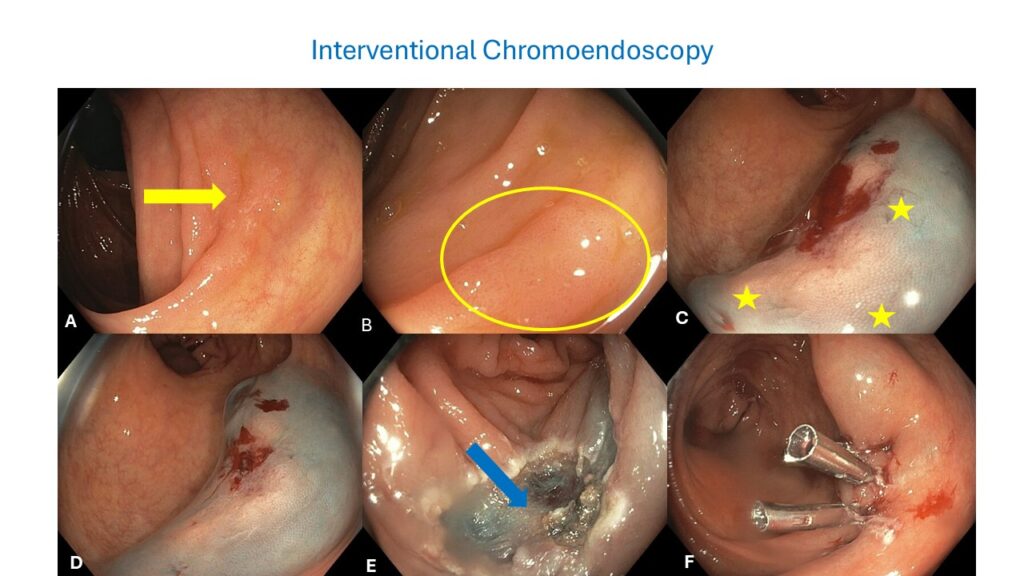
On this pageFinal Diagnosis·Clinical History·Endoscopic Findings·Endoscopic Technique·Discussion·References Technique Case Klaus Mönkemüller, MD, PhD Virginia Tech Carilion School of Medicine, Roanoke, Virginia, USA Final Diagnosis Laterally spreading tumor of the colon, resected via endoscopic mucosal resection with interventional chromoendoscopy. Clinical History A 54-year-old woman underwent surveillance colonoscopy for colorectal cancer screening. Figure 1 · Interventional chromoendoscopy […]
Endoscopic Findings of Eosinophilic Esophagitis: A Case Report
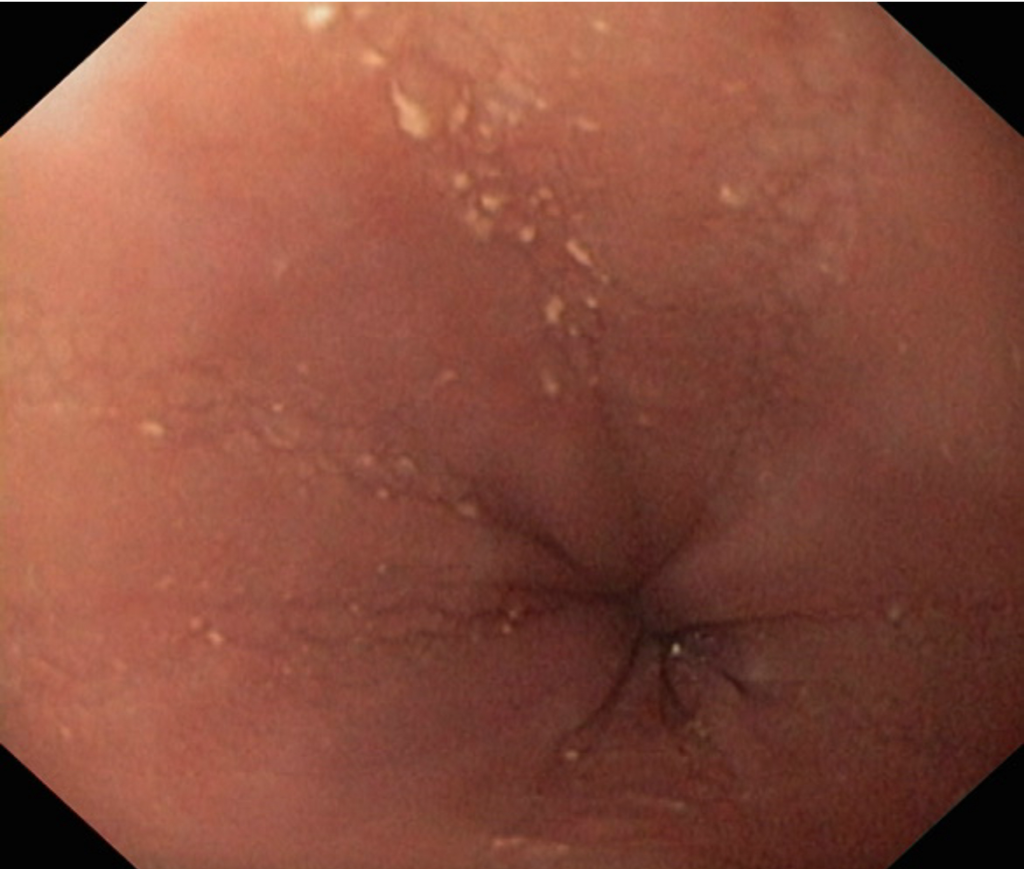
CASE REPORT Klaus Mönkemüller, MD, PhD, FASGE, FESGE, FJGES Professor of Medicine, Department of Gastroenterology, Carilion Memorial Hospital, Virginia Tech Carilion School of Medicine, Roanoke, USA Correspondence: Klaus Mönkemüller, MD, PhD – Department of Gastroenterology, Carilion Memorial Hospital, Virginia Tech Carilion School of Medicine, Roanoke, VA, USA Abstract Background: Eosinophilic esophagitis (EoE) is a chronic, […]
Quiz Answer: Is This Paris 0-Is, Kudo IIIL Colon Polyp Resectable?
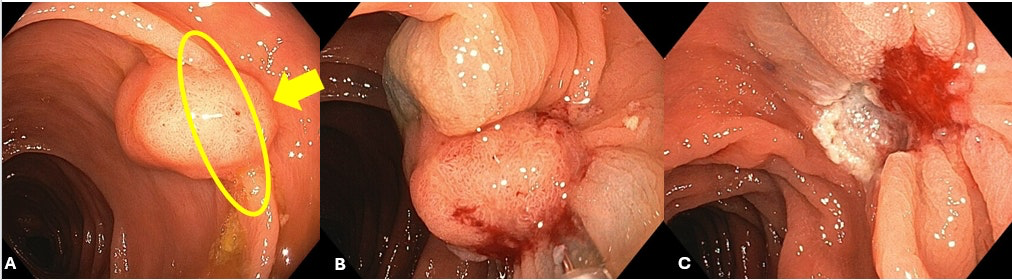
A 35-year-old with Lynch Syndrome. Sessile Paris 0-Is, Kudo IIIL polyp. Non-lifting sign on injection. Final diagnosis: invasive adenocarcinoma. Full endoscopic teaching analysis.
Esophageal Inlet Patch Causing Acute Dysphagia and Food Impaction
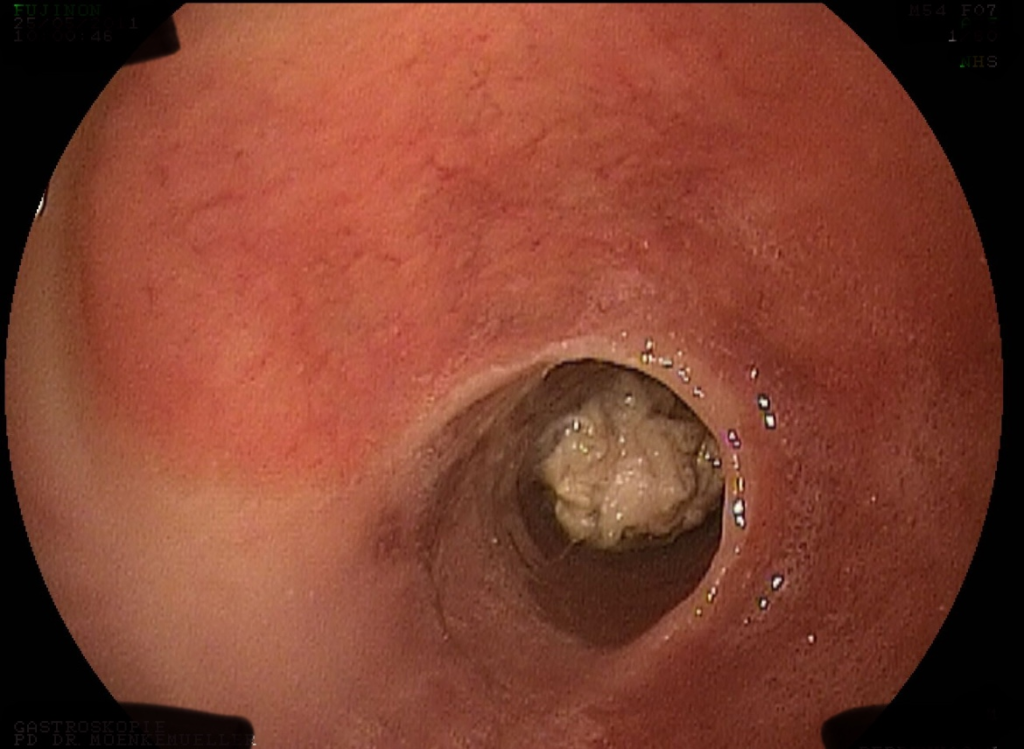
CASE REPORT Klaus Mönkemüller, MD, PhD, FASGE, FESGE, FJGES Professor of Medicine, Department of Gastroenterology, Carilion Memorial Hospital, Virginia Tech Carilion School of Medicine, Roanoke, USA Correspondence: Klaus Mönkemüller, MD, PhD – Department of Gastroenterology, Carilion Memorial Hospital, Virginia Tech Carilion School of Medicine, Roanoke, VA, USA Abstract Background: Esophageal inlet patches are areas of […]
Ileal Carcinoid Tumor: Endoscopic Diagnosis of a Neuroendocrine Tumor with G1 Differentiation
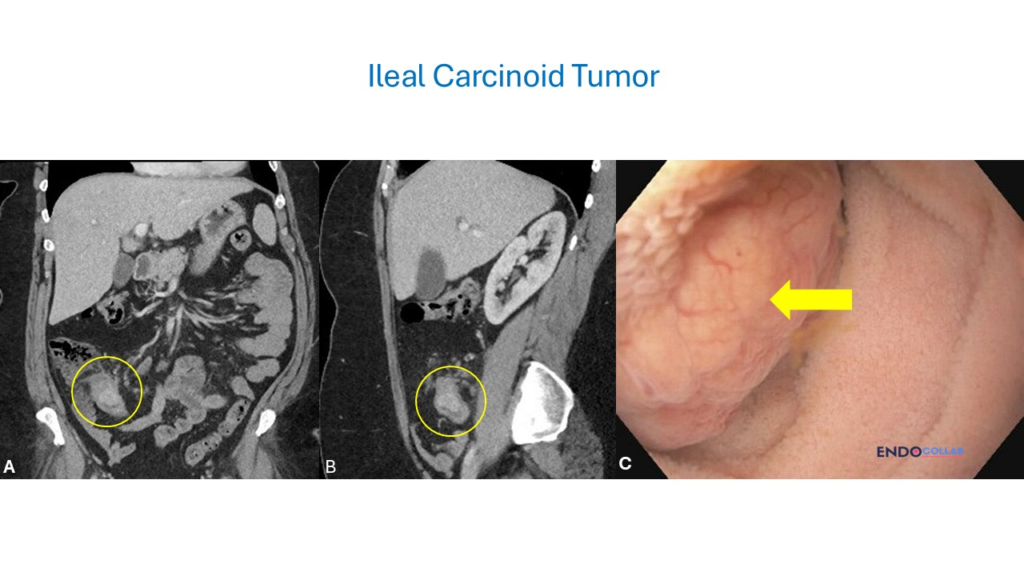
CASE REPORT Klaus Mönkemüller, MD, PhD, FASGE, FESGE, FJGES Professor of Medicine, Department of Gastroenterology, Carilion Memorial Hospital, Virginia Tech Carilion School of Medicine, Roanoke, USA Co-authors: Jay Bapaye, MD; Kerry Whitt, MD – Department of Gastroenterology, Virginia Tech Carilion School of Medicine, Roanoke, USA Correspondence: Klaus Mönkemüller, MD, PhD – Department of Gastroenterology, Carilion […]
Fully Covered Self-Expanding Metal Stent for Esophago-Pulmonary Fistula
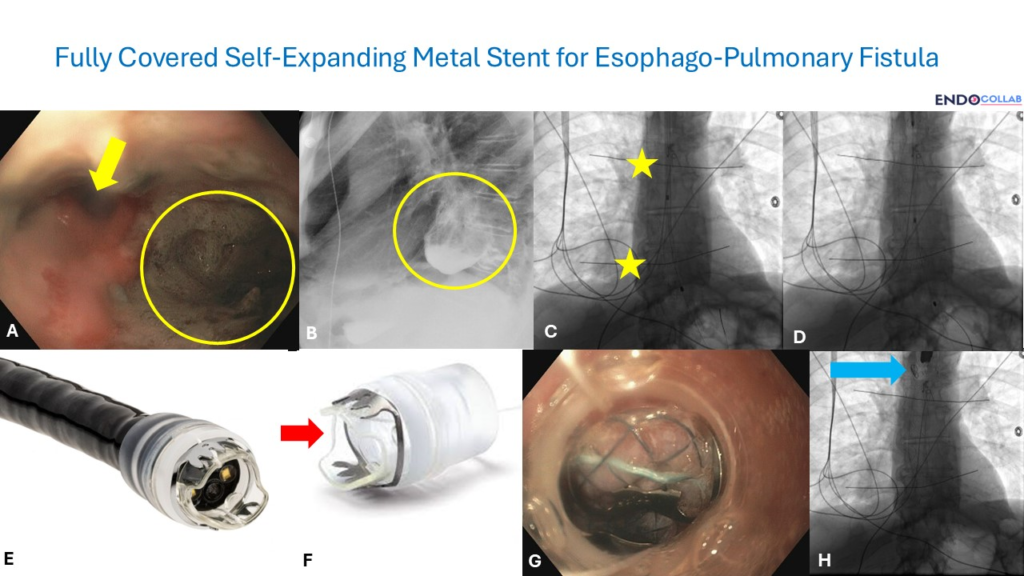
CASE REPORT Klaus Mönkemüller, MD, PhD, FASGE, FESGE, FJGES Professor of Medicine, Department of Gastroenterology, Carilion Memorial Hospital, Virginia Tech Carilion School of Medicine, Roanoke, USA Correspondence: Klaus Mönkemüller, MD, PhD – Department of Gastroenterology, Carilion Memorial Hospital, Virginia Tech Carilion School of Medicine, Roanoke, VA, USA Abstract Background: Esophago-pulmonary fistulae are rare but serious […]
Severe Gastric Ulcers due to Radiation with Yttrium-90 Microspheres
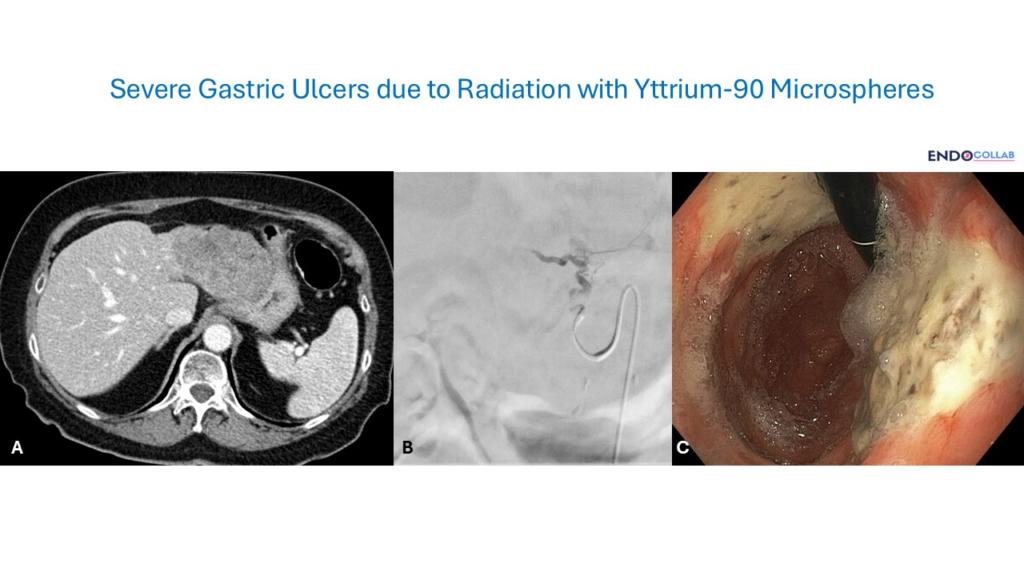
A 75-year-old woman with hepatocellular carcinoma developed severe gastric ulcers following Yttrium-90 transarterial radioembolization — a complication occurring in 2–4% of cases that is often refractory to PPI therapy due to transmural radiogenic damage.
Gastric Neuroendocrine Tumors (NET): A Mini-Review
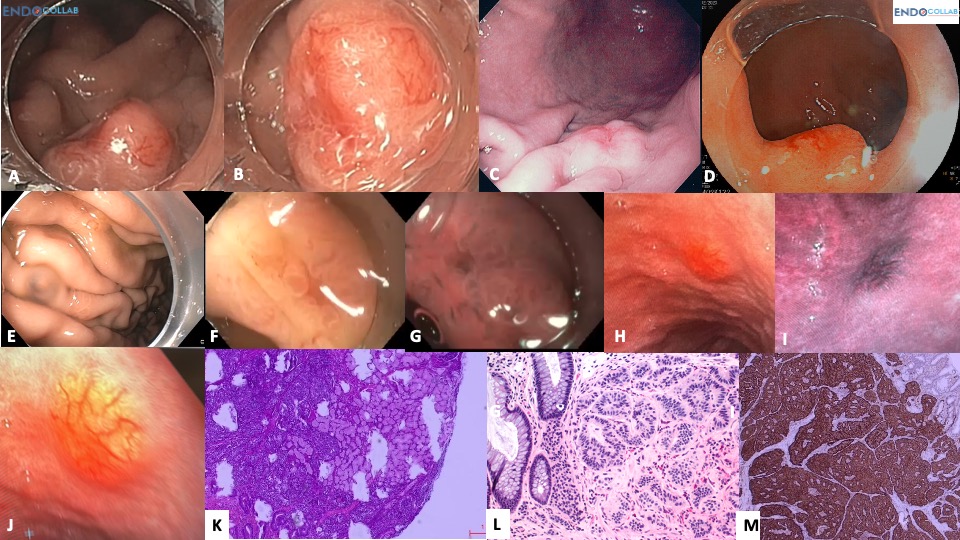
A practical mini-review of gastric NETs (carcinoids) covering the three-type classification, endoscopic features, WHO grading, and endoscopic resection strategies — illustrated with a 13-image endoscopic spectrum.
Endoscopic-Fluoroscopic Nasojejunal Feeding Tube Placement Using a Long Biliary Guidewire: A Step-by-Step Technique
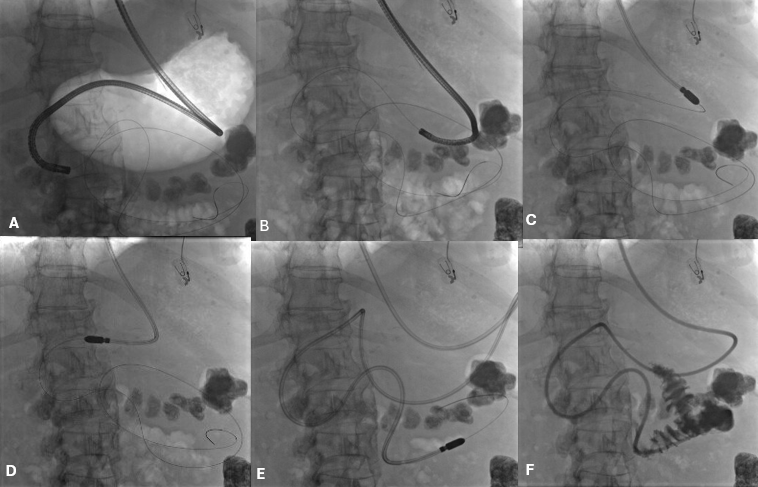
A step-by-step technique for placing nasojejunal feeding tubes in patients with stenotic pylorus or duodenum, using an ultraslim scope, long biliary guidewire, and fluoroscopy guidance.
Technical Tips and Tricks in ERCP: Fully Covered Metallic Stent-Assisted Direct Cholangioscopy
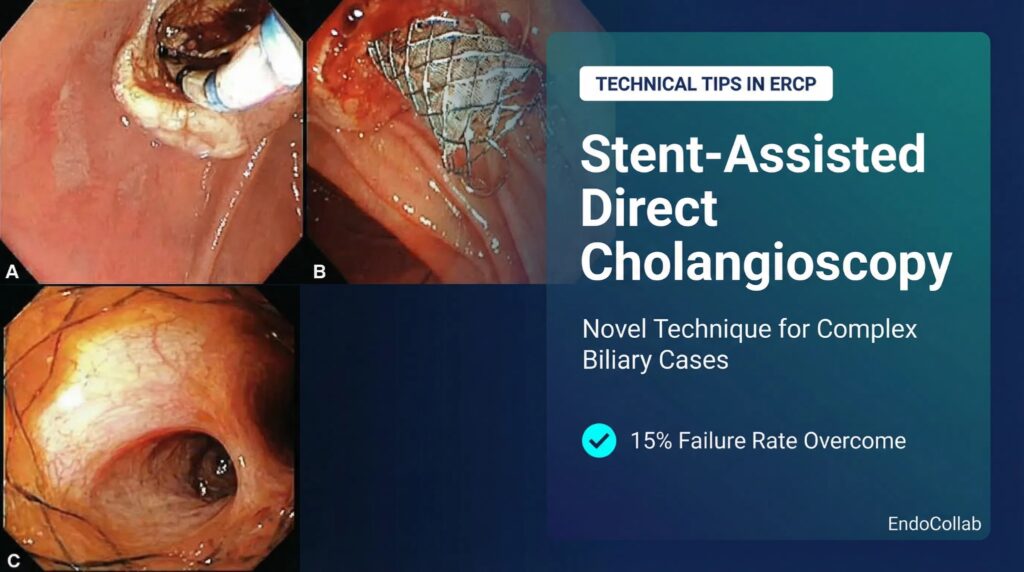
On this pageHistory Technique Article Ali Safdar Khan, MD, MSPH and Klaus Mönkemüller, MD, PhD, FASGE (USA), FJGES (Japan), FESGE (Europe) Professor of Medicine, Department of Gastroenterology, Ameos Klinikum Halberstadt, Germany and Carilion Memorial Hospital, Virginia Tech Carilion School of Medicine, Roanoke, USA Experienced teaching points Clinical Pearls 01Direct cholangioscopy using ultraslim endoscopes may fail […]
Rodolfo Valentino Syndrome: Perforated Duodenal Ulcer Mimicking Appendicitis
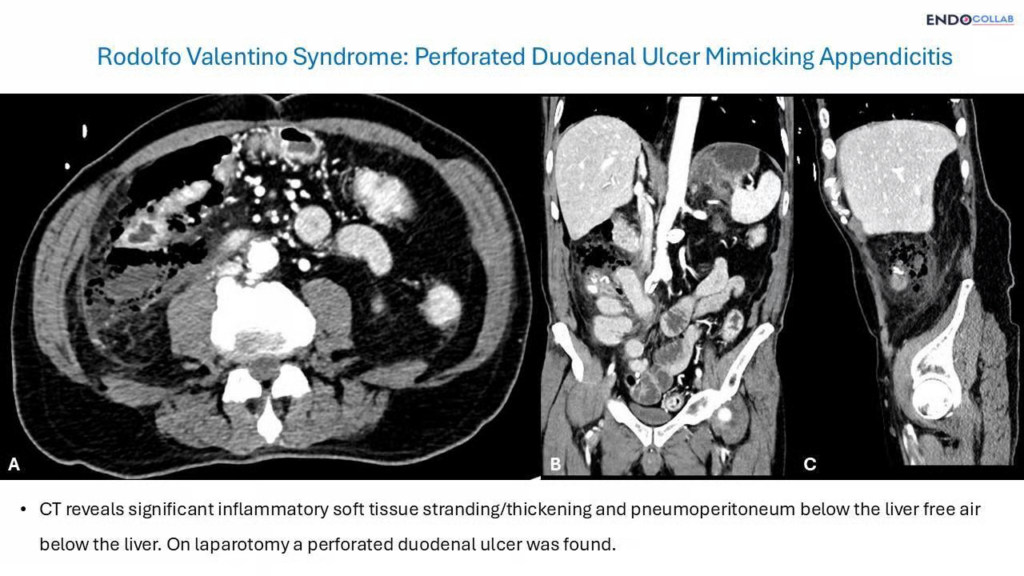
Case Report An 80-year-old patient on immune checkpoint inhibitor therapy presented with acute right lower abdominal pain mimicking appendicitis. CT revealed free air below the liver, and laparotomy confirmed a perforated duodenal ulcer — a rare presentation known as Rodolfo Valentino Syndrome. Joel Joseph, MDDepartment of Gastroenterology, Carilion Memorial Hospital, Virginia Tech Carilion School of […]
Tools of the Trade: The Retentia ® Clip
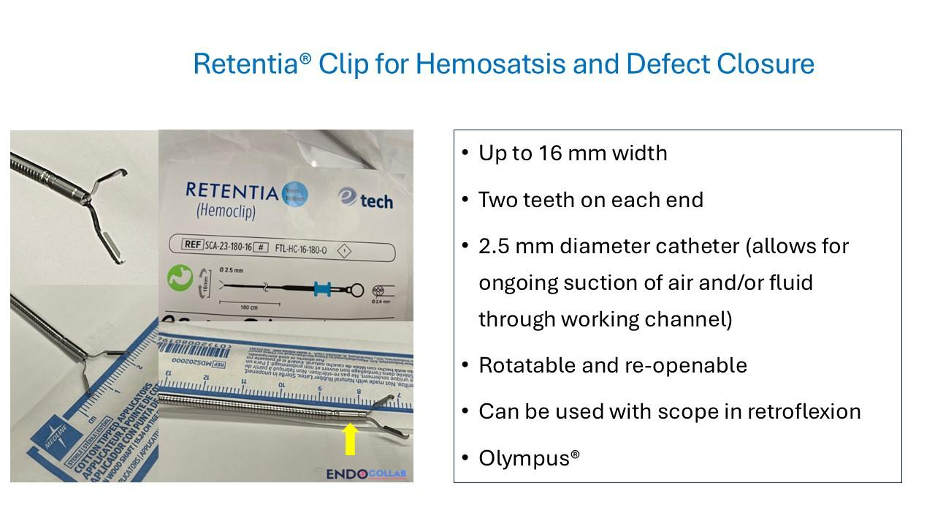
Tools of the Trade: The Retentia ® Clip Klaus Mönkemüller, MD, PhD, FASGE, FJGES Department of Gastroenterology, Carilion Memorial Hospital, Virginia Tech Carilion School of Medicine, Roanoke, USA Figure 1. Retentia Clip. Key technical information. The Retentia Clip has some interesting and nice features: It is rotatable, It can be deployed with scope in retroflexed […]