
Cameron Lesions

By: Jonathan Rozenberg, DO, MPH, Internal Medicine Resident; Klaus Mönkemüller, , MD, PhD, FASGE (USA), FJGES (Japan), Professor of Medicine; Adil, Mir, MD, FACP Institution: Virginia Tech Carilion School of Medicine, Roanoke, VA, USA Cameron lesions refer to linear erosions or ulcerations of the gastric mucosal folds in patients with a large hiatal hernia that […]
Treating Upper Gastrointestinal Bleeding: An Update on Endoscopic Techniques

By William F. Abel, MD, Internal Medicine Resident, and Klaus Mönkemüller, MD, PhD, FASGE, FJGES, Professor of Medicine Virginia Tech Carilion School of Medicine, Virginia, USA Upper gastrointestinal (GI) bleeding encompasses hemorrhage anywhere from the esophagus to the distal duodenum due to myriad etiologies including peptic ulcers, tumors, vascular malformations, esophageal varices, hemosuccus pancreaticus and […]
Improving Colonoscopy Prep and Achieving Better Boston Bowel Preparation Scores
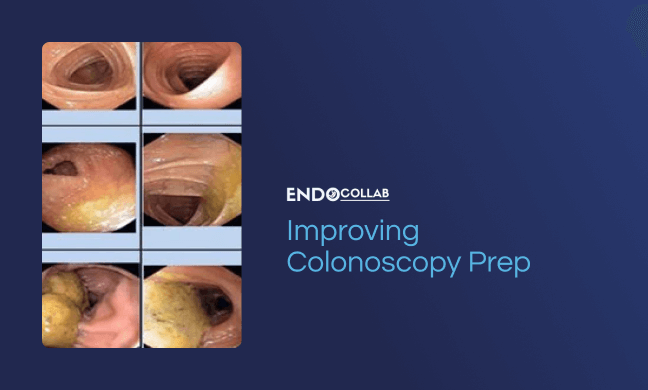
Colon cancer is the second leading cause of cancer death in the United States, with over 50,000 deaths annually. The good news is that colon cancer is preventable with proper screening. Colonoscopies allow doctors to visualize the entire colon and detect precancerous polyps before they become cancerous. However, colonoscopies cannot accurately identify polyps and early […]
Natural or Biologic Chromoendoscopy for Detection of Colorectal Polyps

By Klaus Mönkemüller, MD, PhD, FASGE, FJGES Professor of Medicine, Virginia Tech Carilion School of Medicine, Roanoke, USA The Eye Beats Artificial Intelligence: How Biologic Chromoendoscopy Improves Detection of Colorectal Polyps Introduction Colorectal cancer is one of the most prevalent and fatal cancers globally, resulting in over 900,000 deaths annually. Early detection and removal of […]
An Overview of Segmental Bile Duct Dilation and Caroli’s Disease

The biliary system is responsible for transporting bile from the liver and gallbladder to the small intestine to aid in digestion. It consists of a complex network of ducts that can be affected by myriad disorders. One uncommon abnormality is segmental, or focal, dilation of the bile ducts. This refers to cystic dilatation of portions […]
Inflammatory Fibroid Polyps (IFP) or Vanek Tumors of the GI Tract
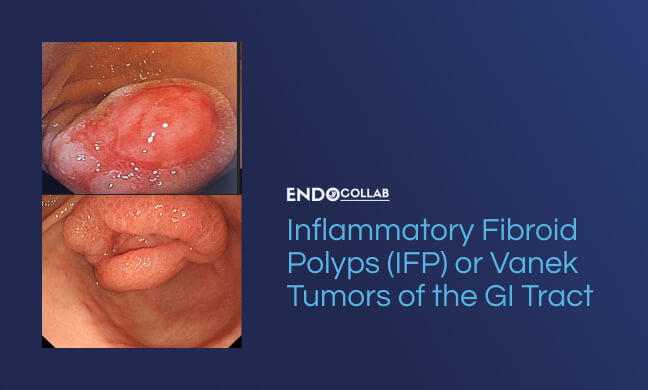
The images show Vanek tumors of the duodenum (left) and the stomach (right) (Stomach photo by @patholwaker) Inflammatory fibroid polyps (IFP) or “Vanek tumors” are rare submucosal lesions arising from a reactive, benign granuloma-like process of the GI tract (1). This tumor is most commonly located in the stomach (70%), ileum (29%) and colon (6%) (2-4). […]
Mastering the Use of Hemoclips (Through-The-Scope-Clips)
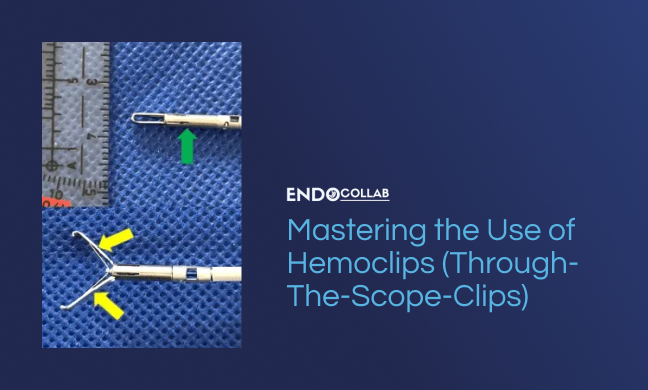
By: By Klaus Mönkemüller, MD, PhD, FASGE, FJGES. Professor of Medicine, Virginia Tech Carilion School of Medicine, Virginia, USA Hemoclips, originally designed for hemostasis, are versatile tools that have revolutionized various endoscopic procedures. 1. Understanding Hemoclips Hemoclips are multifaceted tools that currently are used beyond their original purpose of hemostasis, and therefore we will refer […]
Tips for Placement of Clips for Hemostasis
We are excited to bring you a brand new video on “Tips for Placement of Clips for Hemostasis”. In this lecture, we will delve into the important topic of clip placement for achieving hemostasis during medical procedures. >>> Click here to watch the full video Our expert speaker will be discussing the various through the scope clips […]
The Hybrid ESD-EMR Technique Explained

Introduction: When it comes to endoscopic resection, ensuring complete lesion removal can be a challenge. However, the game-changer has arrived: The Hybrid ESD-EMR Technique. Klaus Mönkemüller sheds light on this advanced method designed for the complete resection of lesions in the colorectal, esophagus, and stomach areas. Key Takeaways: Conclusion: The Hybrid ESD-EMR endoscopic resection technique […]
Abdominal Pain, Jaundice and Melena – Think of Hemobilia
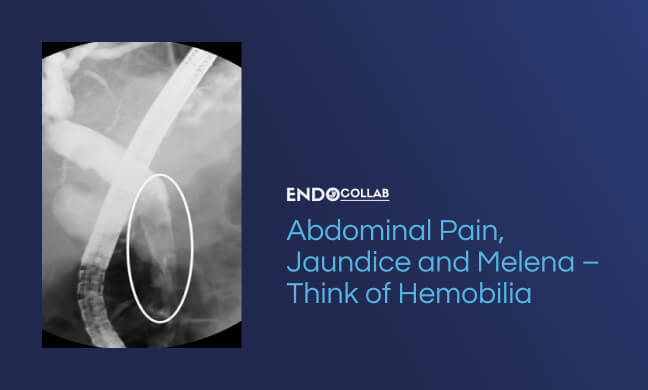
A 58-year-old patient with NAFLD, diabetes mellitus and hypertension underwent a liver biopsy for a 3 cm nodule in segment VI of the liver. About 24-hours later the patient complained of acute onset abdominal pain, followed by jaundice and chills. He also had melenic stools. On arrival to the emergency room his blood pressure was […]