
Endoscopic Resection Using the Oblique Cap (Inoue Cap)
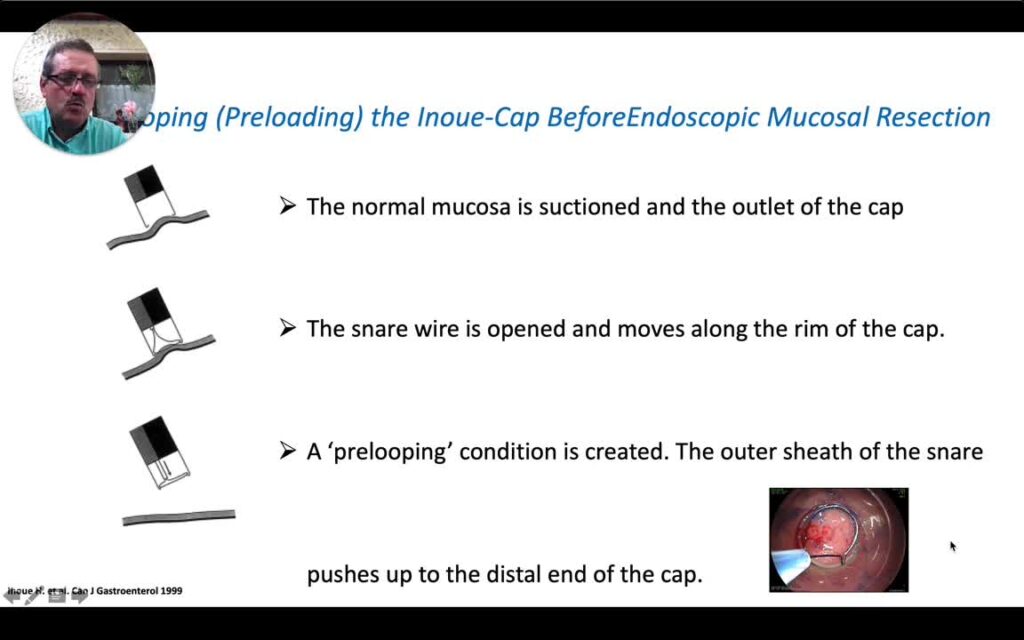
… Membership Required You must be a member to access this content.Already a member? Log in here...
Cap-Assisted ESD for Dysplastic Barrett’s Esophagus
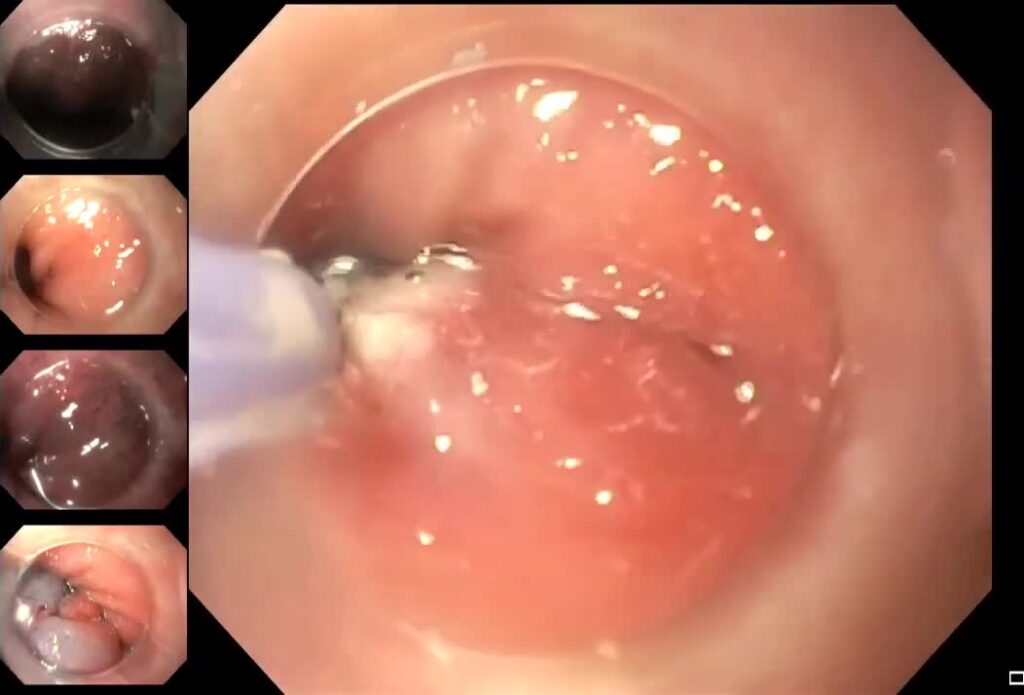
… Membership Required You must be a member to access this content.Already a member? Log in here...
Meckel’s Diverticulum
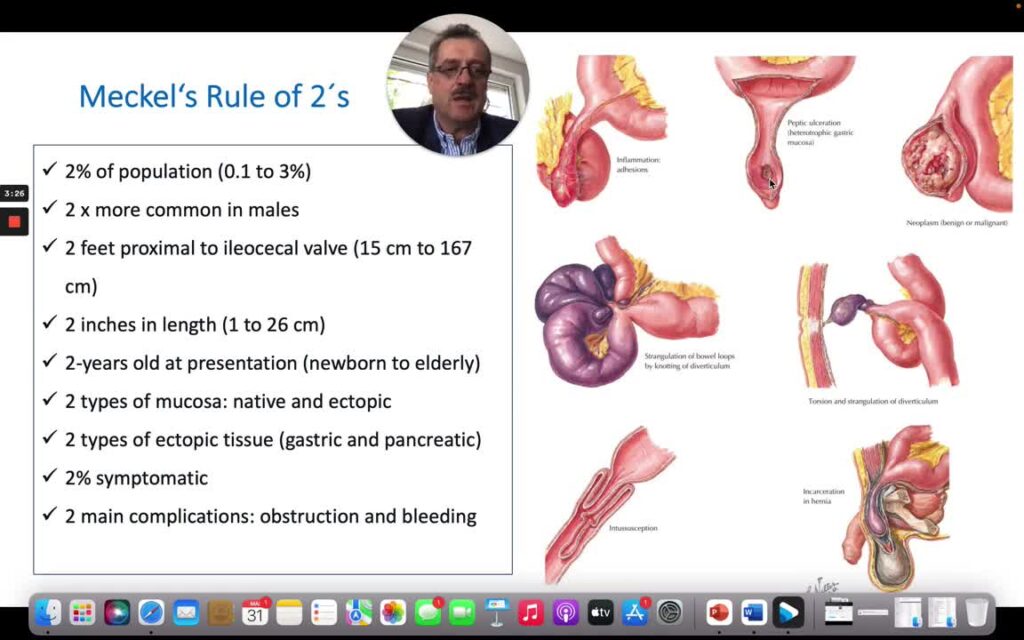
… Membership Required You must be a member to access this content.Already a member? Log in here...
Yao VS Classification for Early Gastric Cancer
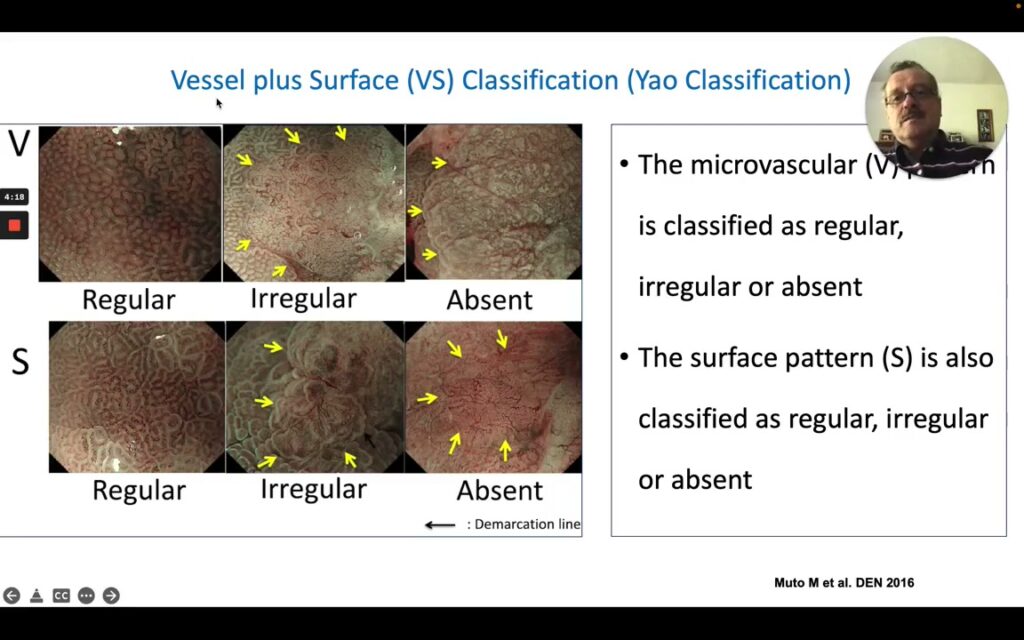
Yao VS classification: a step-by-step guide to scoring mucosal surface, subsurface vessels, and the demarcation line when you inspect the stomach for early gastric cancer. You are looking at a subtle gastric lesion. Detection is only half the job. If the report says “suspicious area” without a structured surface and vessel score, the next endoscopist…...
ERCP U-Wire: Flip the Tip When the Wire Keeps Escaping
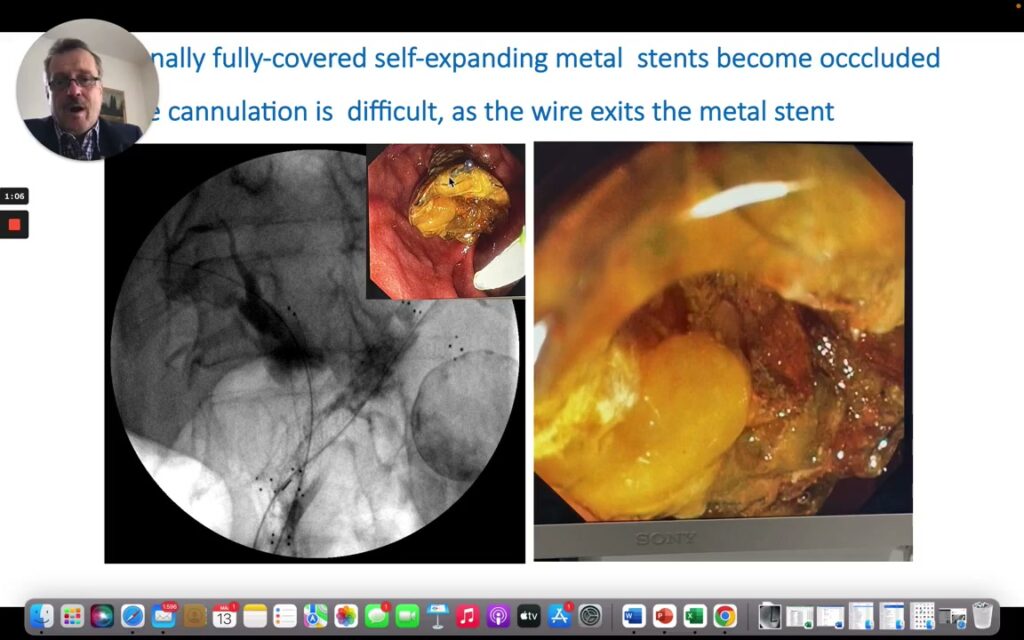
You place a self-expanding metal stent for a malignant bile duct stricture. Months later the patient is still alive, the stent is occluded, and every straight wire you pass wants to exit through the uncovered mesh. That is when the U-wire, or flipped wire tip technique, belongs in your ERCP plan. Why the Straight Wire…...
When Cold Snare Is Not Enough for a 6 to 10 mm Colon Polyp
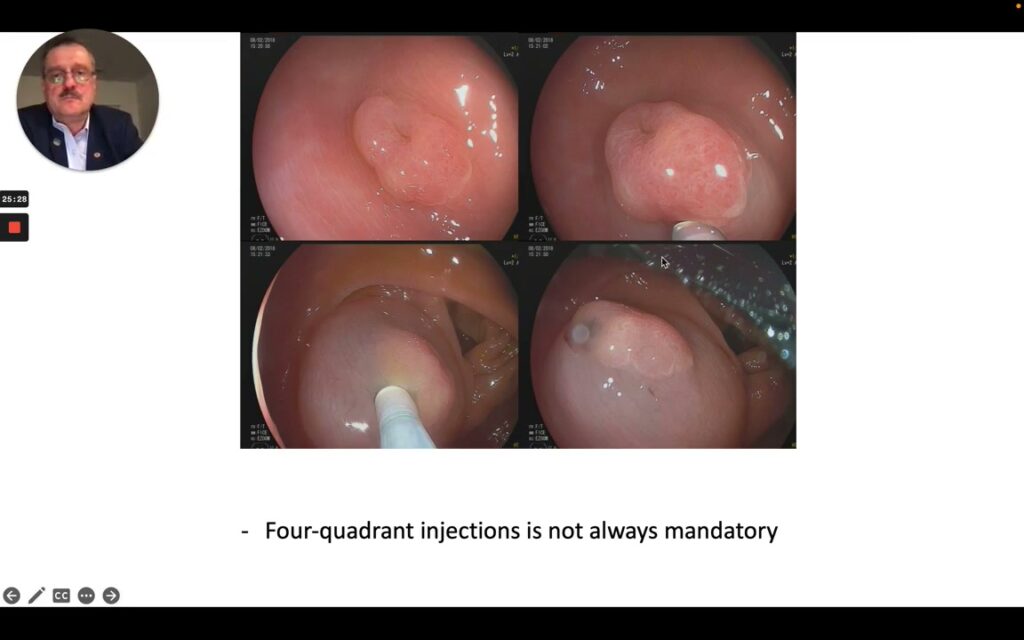
A 6 to 10 mm colon polyp can look routine until the shape, margin, and histology make the resection less forgiving. In this clip, Klaus reviews why a small lesion still needs an individualized plan. The goal is simple: remove the lesion safely, completely, and with margins that can stand up to pathology. Why Shape…...
Cold Snare Polypectomy: Why Forceps and Hot Biopsy Fail
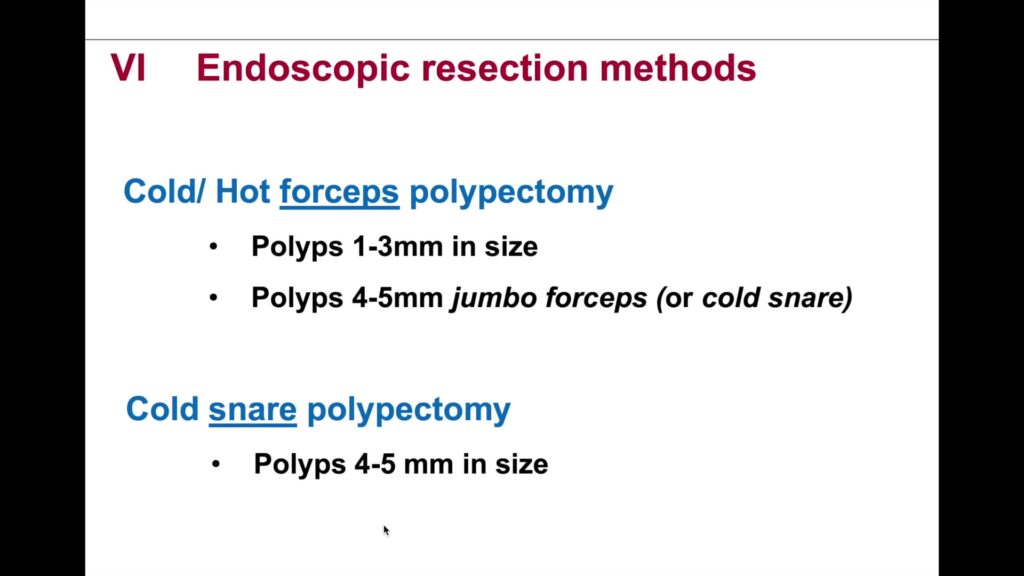
Cold Snare Polypectomy: Why Forceps and Hot Biopsy Fail You find a 5 mm sessile polyp in the transverse colon. The patient is on active anticoagulation. You want to resect it quickly, so you reach for the biopsy forceps or hot biopsy. This choice increases the risk of leaving adenomatous tissue behind. The key to…...
Prevent Post-Polypectomy Bleeding Before You Cut
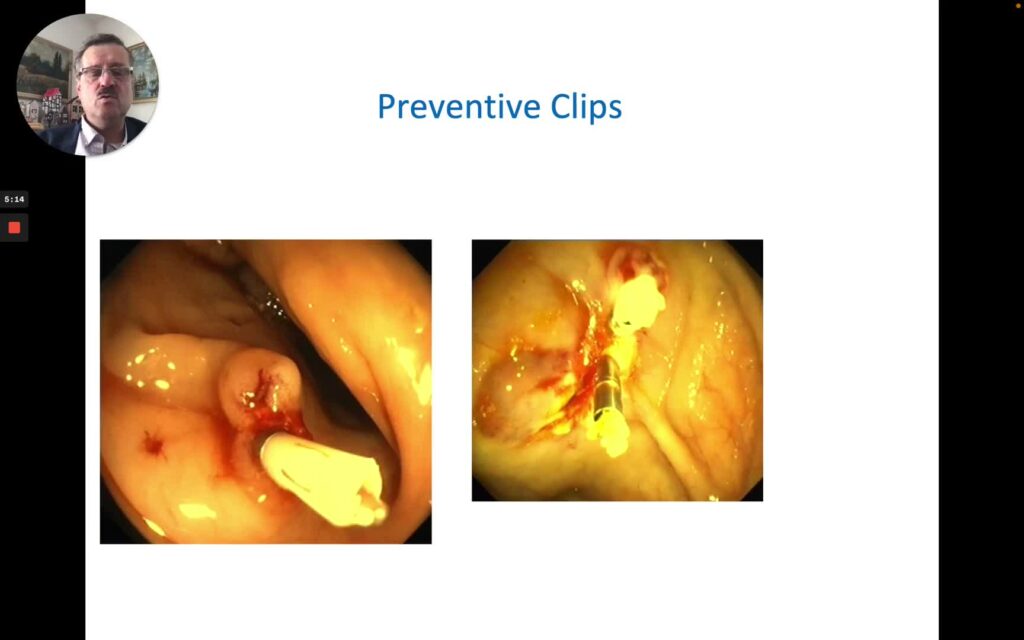
Two Techniques That Prevent Bleeding Before You Cut You are about to resect a large flat polyp in the right colon. The patient takes apixaban. The resection itself is straightforward, but what happens after you cut determines whether the patient comes back over the weekend with delayed bleeding. Two decisions made before the snare closes…...
Extreme Endoscopy: The Double-Scope Rescue for Esophageal Perforation
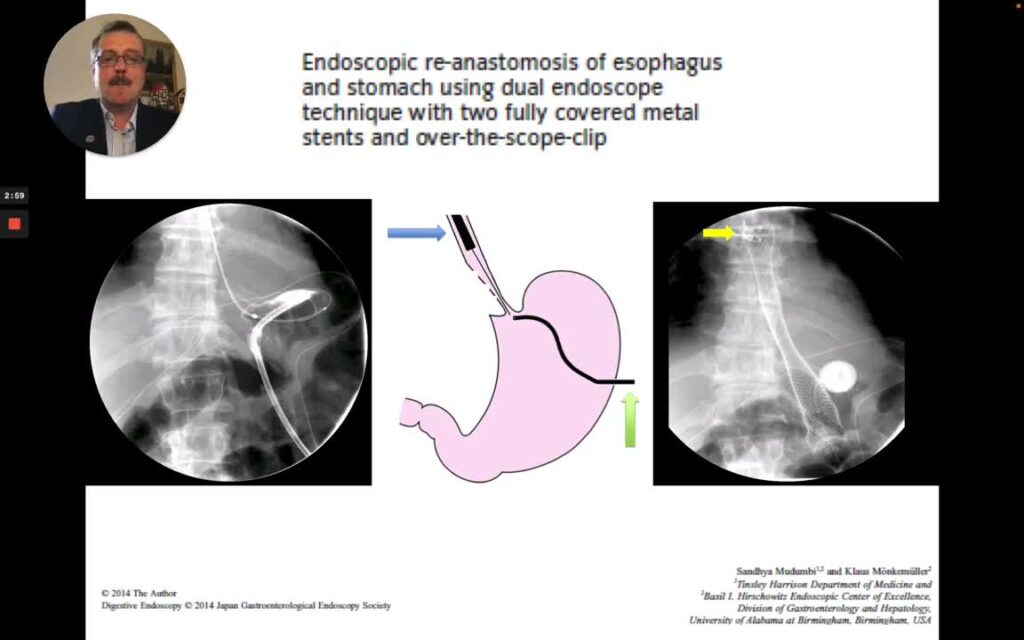
Extreme Endoscopy: The Double-Scope Rescue A patient arrives after esophageal stent placement gone wrong. The stent has migrated across the esophagogastric junction into the pleura. There is a large perforation, sepsis, open surgery, and now a complete anastomotic dehiscence. Upper endoscopy confirms the guidewire is entering the abdominal cavity. Standard wire placement is not possible…....
Using a Distal Cap to Remove Meat Impaction
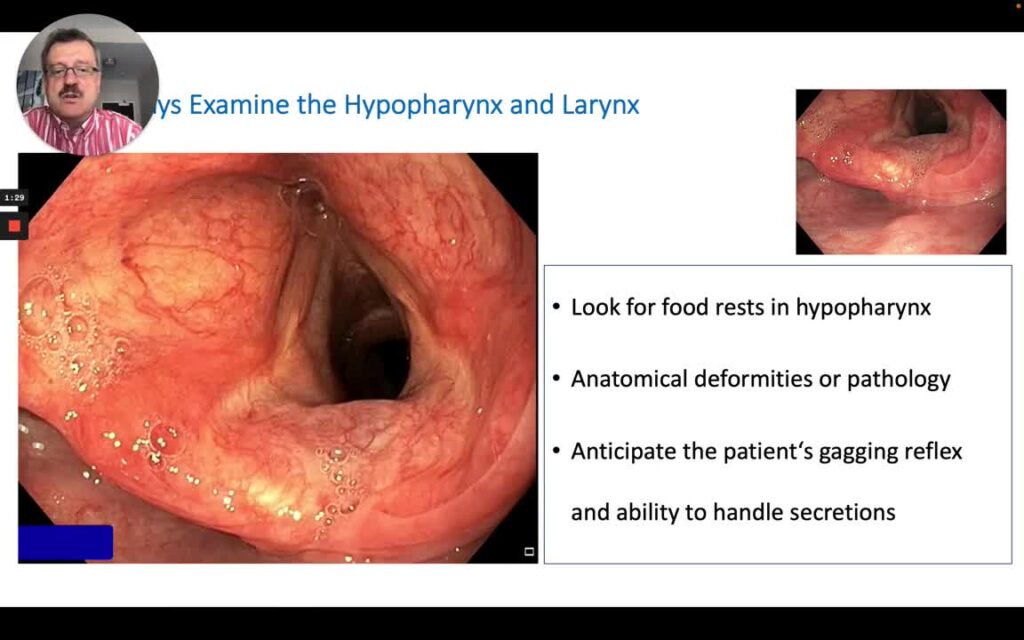
… Membership Required You must be a member to access this content.Already a member? Log in here...
Managing Heyde Syndrome: From Aortic Valves to Endoscopic Intervention
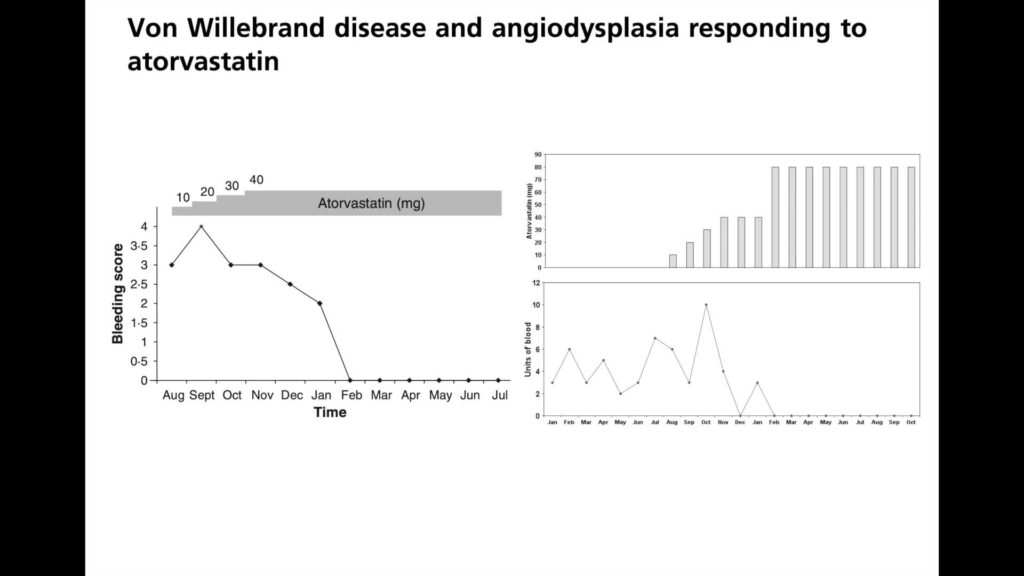
Heyde syndrome represents one of the most fascinating intersections between cardiology and gastroenterology, where aortic stenosis leads to gastrointestinal bleeding through acquired von Willebrand disease. Understanding the full spectrum of management options is crucial for optimizing patient outcomes in this complex condition. The Expanding Spectrum of Heyde Syndrome What we’ve learned over the years…...
Mastering Argon Plasma Coagulation: Four Essential Techniques for Better Outcomes
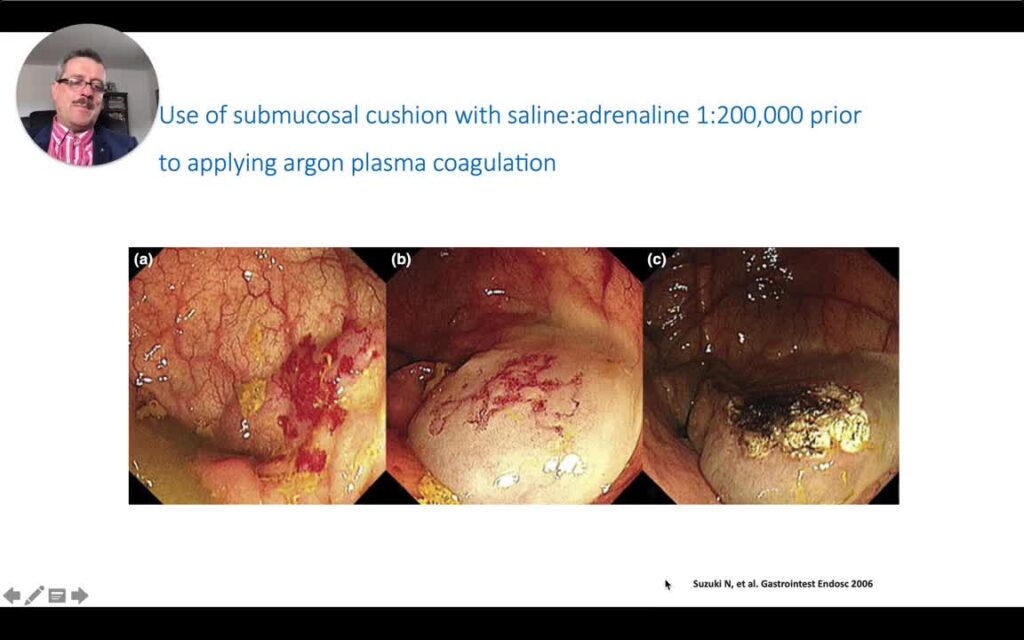
Argon plasma coagulation (APC) ranks among the most frequently performed therapeutic interventions in gastrointestinal endoscopy. While APC serves multiple purposes beyond hemostasis, mastering the nuances of bleeding control: whether for prophylaxis or active treatment: remains fundamental to our practice. Today, I’ll share four refined techniques that can significantly improve your outcomes when treating angiodysplasias, GAVE,…...